Comments
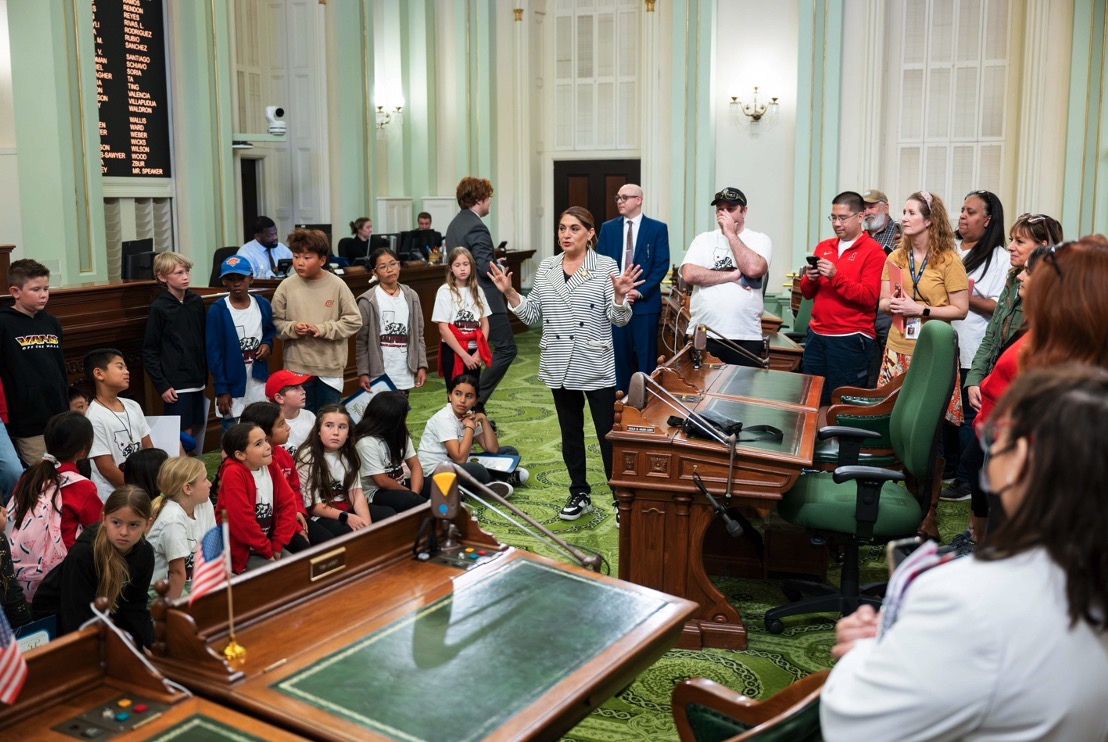
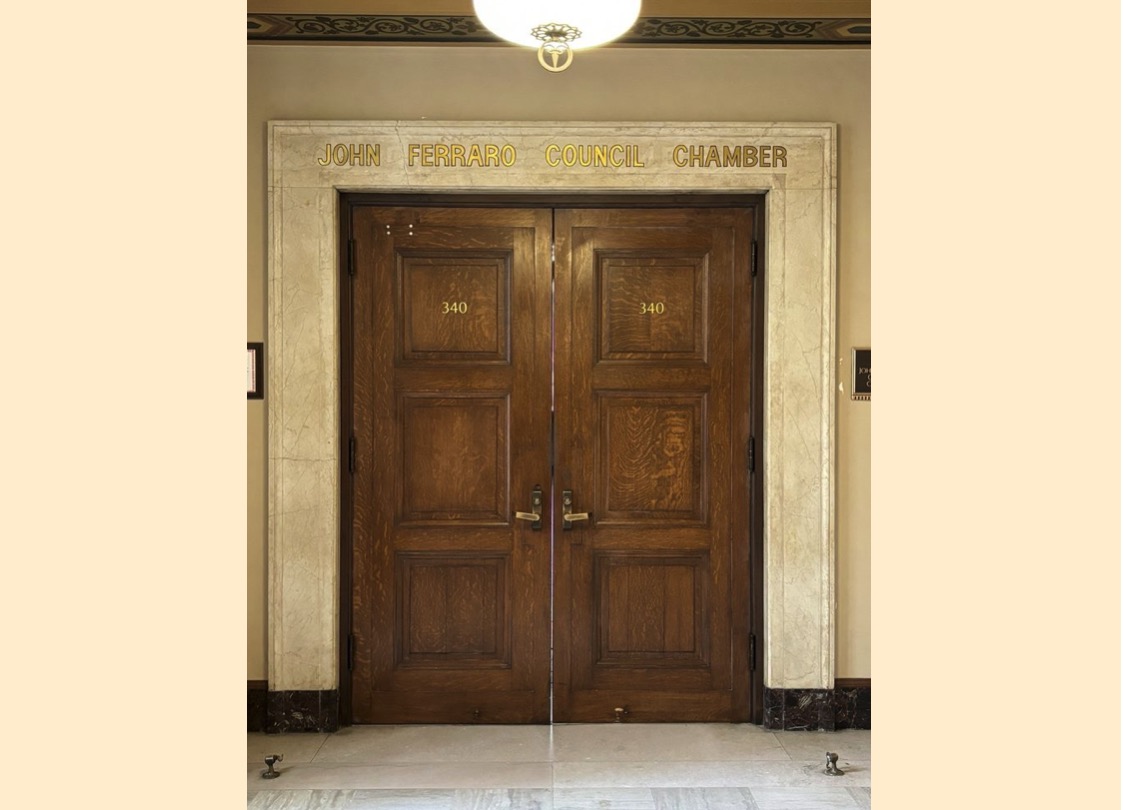
LA PLANNING - If you blinked during the Planning and Land Use Management (PLUM) Committee hearing on February 24, you might have missed the deliberation on Item 10. Actually, even if you stared unblinkingly at the dais, you wouldn't have seen much.
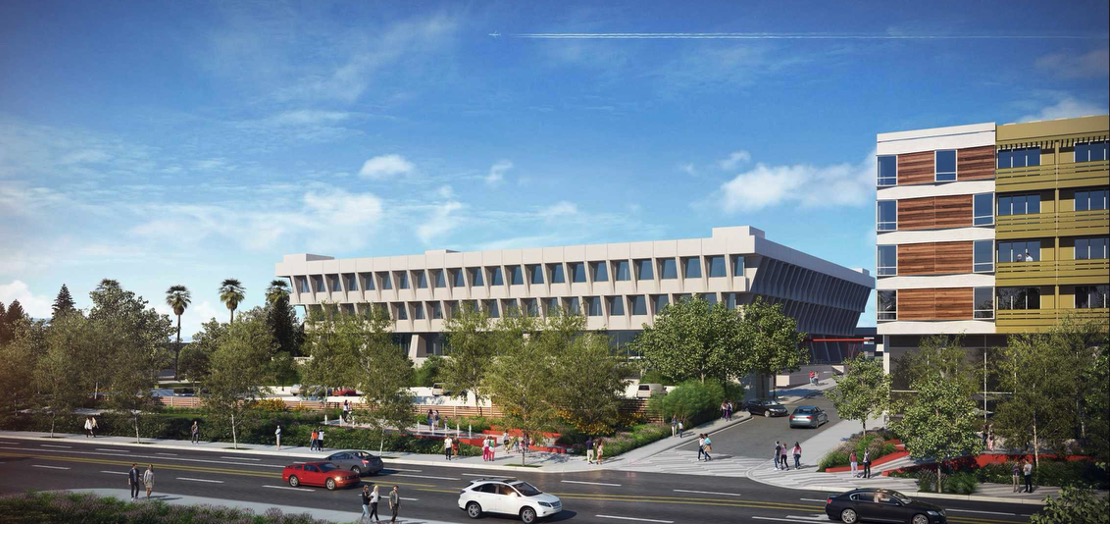
In what has become a recurring tragicomedy at City Hall, the fate of our historic fabric—specifically the Barry Building (HCM #887) and the sacred ancestral land of the Gabrieleno (Kizh Nation) upon which it stands—was handled with all the importance of a drive-thru order.
The Great Coffee Disappearing Act
Councilmember Nithya Raman is a busy woman. She is a sitting City Councilmember, a member of the powerful PLUM Committee, and is currently auditioning for the city's top job in her run for Mayor. On February 24, she was technically marked as "present." However, in the chambers of City Hall, presence is a relative term.
At one point during the hearing, as critical testimony was being delivered, Raman was seen exiting the chambers, only to return later with what appeared to be a fresh cup of coffee.
One wonders if the caffeine was intended to help her process the complex CEQA and AB 52 arguments being presented, or if the hallway espresso was simply more compelling than the voices of the public she represents. For a candidate for Mayor, the optics were clear: the espresso had her attention; the constituents did not.
Hiding in the Confidential Shadows
Is Raman, much like Mayor Karen Bass, now hiding behind the convenient confidentiality of AB 52 consultation?
AB 52 was designed to ensure that tribal governments are consulted before projects impact their cultural resources. It was not designed to be a "Get Out of Transparency Free" card for politicians. Yet, when advocates for the Gabrielino (Kizh Nation) spoke on Item 10, they described a process where the City unilaterally slammed the door shut on consultation.
They felt disrespected, and rightly so. While the PLUM session was still in progress, and critically, before the committee members cast their votes, a letter from the Gabrieleno’s attorney was added to Council File 25-1518. Lest the committee members claim ignorance, the existence of this eleventh-hour legal filing was explicitly announced by a public speaker at the conclusion of their testimony. The record was updated in real-time and the committee was notified in person, but the minds on the dais were already made up. It was a final, poignant attempt to be heard by a body that had already checked out.
The Deafening Silence of Due Process
Despite being handed a new legal filing and hearing from the First People of this land, the committee’s response was a vacuum. When it came time for the three present members, Blumenfield, Nazarian, and Raman, to actually do their jobs, the silence was deafening.
There was no deliberation. No pointed questions for Planning Staff about the unilateral end to tribal consultation. No inquiries directed at the appellant or the applicant regarding the new evidence in the file. They sat through the testimony with a level of indifference that suggests the outcome was baked in long before the first speaker took the mic.
In a city facing a crisis of trust, this lack of curiosity isn’t just lazy; it’s a red flag. When representatives refuse to ask questions, it’s usually because they already have an answer, they aren't willing to defend in public.
A Serial Meeting Problem?
Why was there no discussion? Perhaps because the discussion already happened behind a digital curtain?
During a Google Meet on February 12, CD 10 staff let the cat out of the bag, noting that staff from the five council offices discuss agenda items and defer to the Council Office where the project sits (in this case, Traci Park’s CD 11, which has already signaled its blessing for the wrecking ball).
In the world of the Brown Act, this smells suspiciously like a serial meeting. When council offices reach a consensus through back-channel staff coordination before a public hearing, the public hearing becomes nothing more than expensive wallpaper.
The Bottom Line
When our leaders treat a PLUM hearing as a mere pit stop between coffee breaks, and when confidentiality is used as a rug to sweep tribal concerns under, the "City" in City Hall starts to feel very small indeed.
One Last Bite of the Apple
Despite the PLUM Committee’s performance, the public has one final opportunity to challenge this rubber stamp process. The full Los Angeles City Council is scheduled to hear this item during its regular meeting on Wednesday, March 4, 2026 (Item 8). You can view the full Meeting Agenda here.
However, don't expect to be heard from the comfort of your home.
In a move that further erodes public accessibility, there is no dial-in or online option for public comments. If you want your voice to reach the ears of the Council, you have only two choices: show up in person at City Hall to look them in the eye, or submit a written comment directly to Council File 25-1518 via the Official Public Comment Portal.
Whether they’ll be listening, or just looking for their next cup of coffee, remains to be seen.
(Ziggy Kruse Blue and Bob Blue are freelance contributors to CityWatchLA. They can be reached at [email protected])