Comments
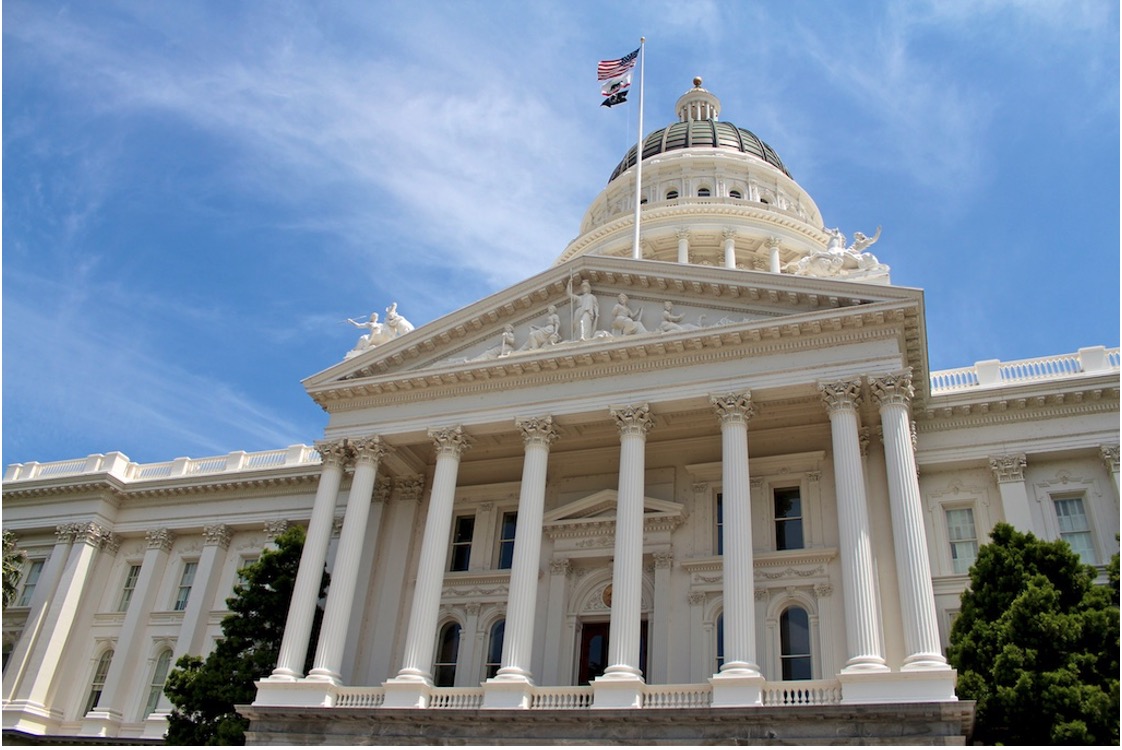
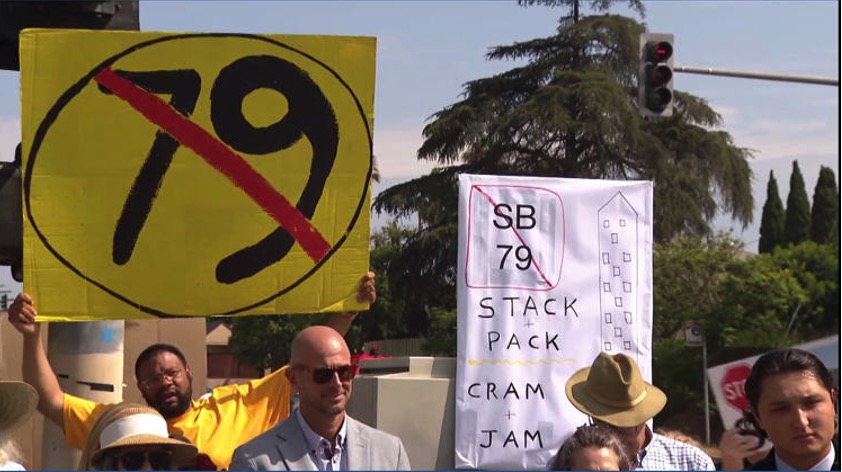
PLANNING WATCH - The California State Legislature passed Senate Bill 79 in July 2025. Its sponsor, State Senator Scott Wiener, and his supporters claim it will be transformative. Its critics say it is a boondoggle that won’t work. I side with SB 79 critics and think their criticisms could be even stronger.
SB 79 goes into effect July 1, 2026. According to Cal Matters: “Senate Bill 79 ‘upzones’ neighborhoods immediately surrounding train, light rail, and subway stations in many of the state’s most populous metro areas. That means apartment developers will be able to construct residential buildings — some as tall as 75 feet — regardless of what local zoning maps, elected officials, or density-averse neighbors say”
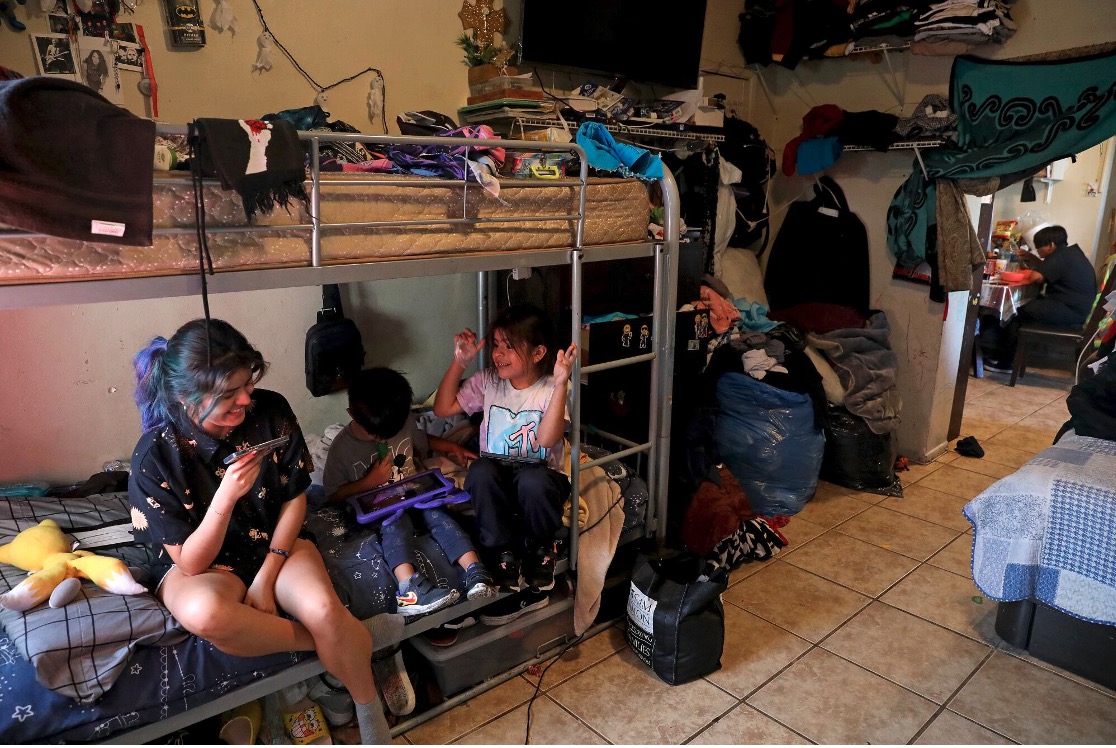
To begin, we need to focus on the real housing crisis, not how it is spun by Senator Wiener and his cheerleaders. They claim SB 79’s purpose is to build more housing to reduce homelessness. Their focus is homeless people sleeping on sidewalks and in cars, but not the 17 percent of LA’s population living in overcrowded conditions. Official data indicate that homelessness is slightly down, but homelessness and over-crowding is still increasing. In fact, the Los Angeles Homeless Services Authority forecasts over 20,000 more homeless people in LA County by 2028, when the Olympics takes place. As for the 17% living in overcrowded conditions. the corporate media and the pols are silent, even though these numbers, too, are trending up.
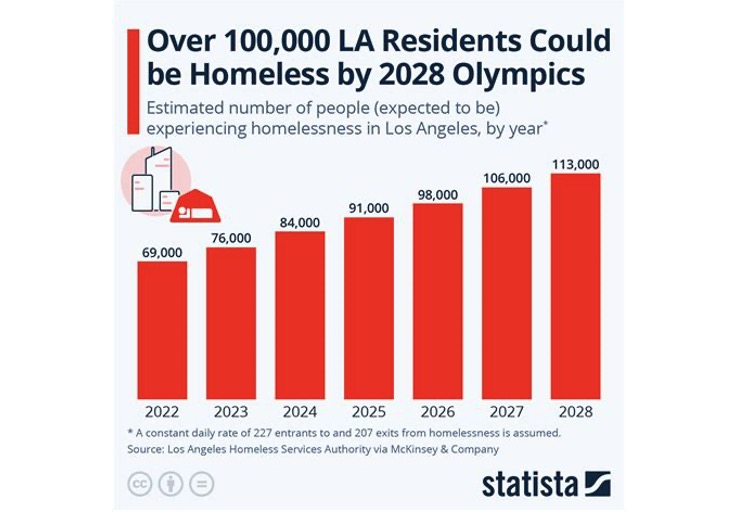
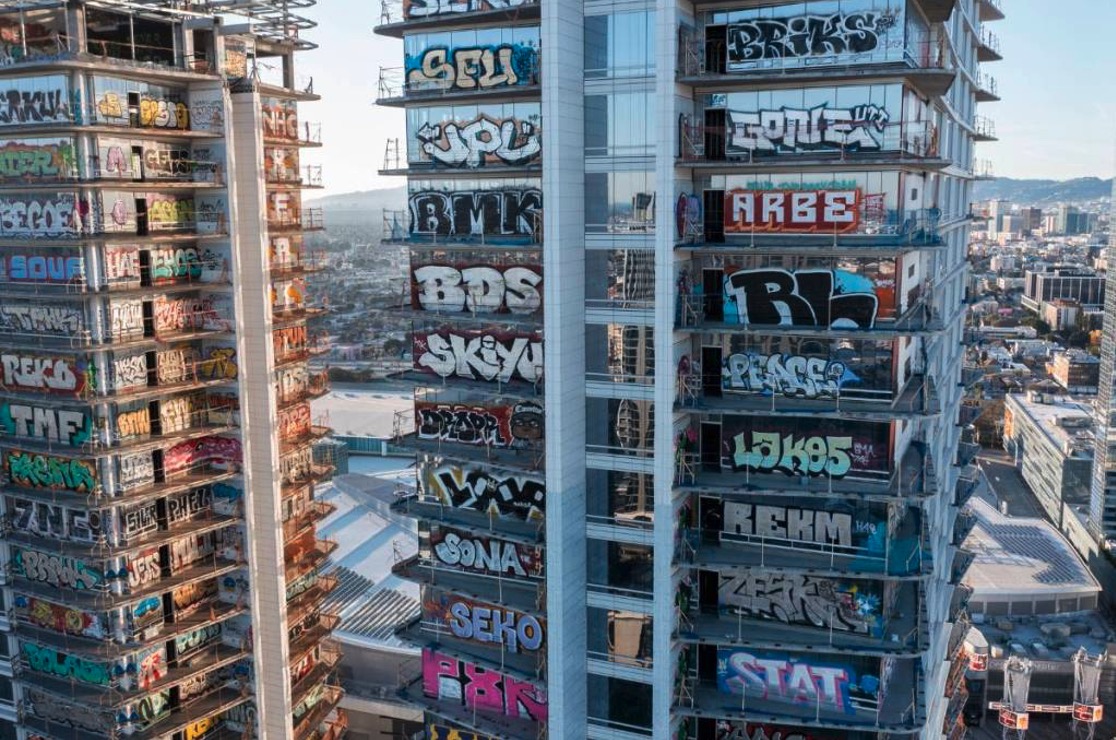
Are these homeless numbers based on the alleged housing shortage which Senate Bill 79 sponsors claim it can fix? NO. There is ample vacant housing throughout the entire metropolitan area. In fact, the residents of the neighborhoods destroyed by last winter’s catastrophic fires found temporary places to live, and there are For Rent signs on nearly every block.
Furthermore, LA City’s and County’ s population is steadily declining, and the State projects a further decline of 500,000 people by 2060. This decline frees up existing housing, which will be available to those who stay. But since many of the homeless and over-crowded cannot afford monthly payments, they will remain homeless or live in overcrowded conditions.
Why then do so many elected officials and their hangers-on ballyhoo a “housing shortage.” The answer is right before our eyes. These developers get more political traction through claims they are solving homelessness – than if they told the truth: they build housing to make money. They realized that “solving” an acute social problem, rather than feathering their own nest, is a better way to get the zone changes their business model needs: building under-parked rental housing on transit corridors in older neighborhoods.
Why won’t this real estate scam work?
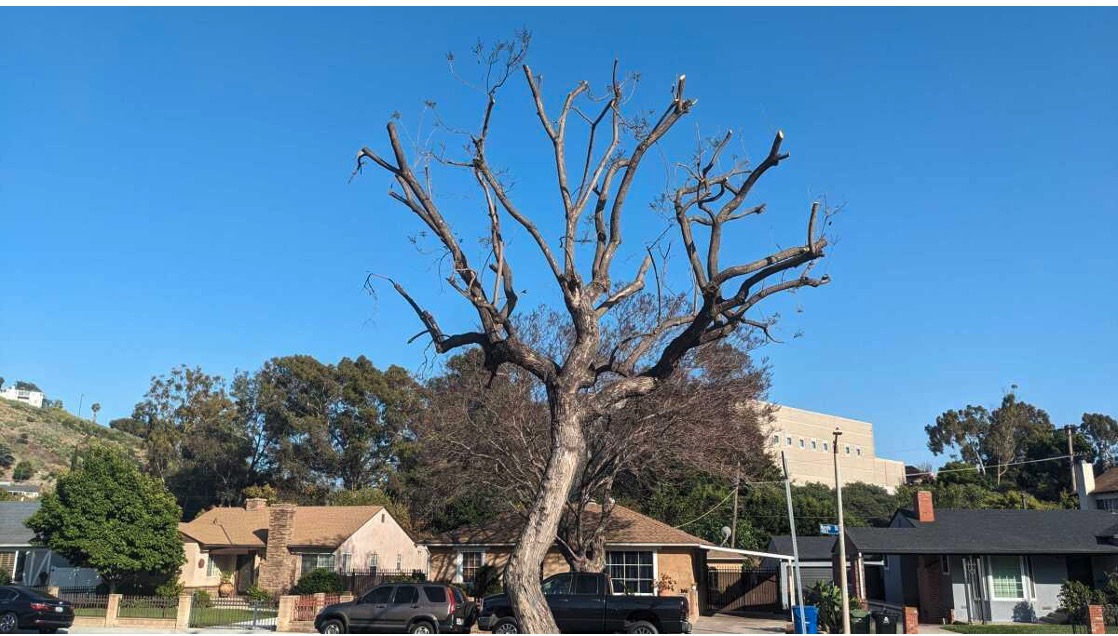
1) The idea of adding housing to existing neighborhoods is not new. This is the same logic the same legislators and developers used in 2022 for Senate Bill 9. SB 9 allows developers to demolish existing single-family homes, and then ministerially replace them with two duplexes and up to 10 small Accessory Dwelling Units (ADU’s). Since homelessness continued to rise, Senator Wiener returned with yet another bill, SB 79, to salvage the contractors’ business model.
2) In California most people drive cars. Mass transit has had declining ridership since 1985, and building under-parked apartments is a guaranteed way to assure high vacancy rates.
Conclusion: Lack of renters and buyers is not yet enough to stop new investments in small, under-parked apartments near mass transit. But the susceptibility of decision makers to proposals like this can only endure failure for so long. That day will come soon.
(Dick Platkin ([email protected]) is a retired LA city planner. He reports on local planning issues and is a board member of United Neighborhoods for Los Angeles. Previous columns are available at the CityWatchLA archives.)