
How Much Does It Cost to Wrap a Car? A Complete Guide to Pricing, Vehicle Prep, and Collision Repair Considerations
AUTO BODY WORK - Wrapping a car is one of the most popular ways to change a vehicle’s appearance without committing to a permanent paint job. A vinyl wrap can give a car a new color, add custom graphics, promote a business, protect good paint from light wear, or create a finish that would be expensive or difficult to achieve with paint.
So, how much does it cost to wrap a car? The answer depends on the size of the vehicle, the type of wrap, the quality of the vinyl, the finish, the complexity of the design, labor, and the condition of the paint or body panels. A partial wrap may cost much less than a full vehicle wrap, while specialty finishes, custom graphics, and needed body repairs can raise the final price.
Average Cost to Wrap a Car
A professional full car wrap commonly costs several thousand dollars. Smaller vehicles usually cost less because they require less vinyl and less labor. Larger vehicles like trucks, SUVs, vans, and commercial vehicles cost more because they have more surface area, more body lines, and more difficult panels to cover.
The final price also depends on how much of the vehicle is wrapped. A full wrap covers most of the exterior painted surfaces, while a partial wrap may only cover the hood, roof, mirrors, doors, racing stripes, or selected panels. Partial wraps are usually more affordable because they use less material and take less time to install.
Custom graphic wraps can cost more than a basic color-change wrap. Business branding, printed graphics, fleet designs, logos, color-matching, and design revisions add time before installation even begins. If the project requires design work, printing, and careful panel alignment, that will be reflected in the quote.
What Affects the Cost to Wrap a Car?
Vehicle Size and Shape
Vehicle size is one of the biggest pricing factors. A compact car requires less vinyl than a large truck or cargo van. But shape matters too. A vehicle with deep curves, complex bumpers, spoilers, mirrors, roof rails, handles, trim, and sharp body lines takes more time to wrap correctly.
A simple sedan may be easier to wrap than a performance car with aggressive body styling. Large commercial vehicles may also require more design planning and material.
Full Wrap vs. Partial Wrap
A full wrap changes the appearance of the entire vehicle and usually costs the most. It requires more vinyl, more prep, more trimming, and more labor.
A partial wrap can be a smart option for drivers who want a smaller design change or businesses that need branding without covering the entire vehicle. Hood wraps, roof wraps, accent panels, decals, door graphics, and stripes can create a noticeable change at a lower price.
Vinyl Quality and Brand
Not all vinyl is the same. Premium vinyl usually costs more, but it often installs better, lasts longer, removes more cleanly, and resists fading better than cheaper material.
Lower-quality vinyl may look good at first but can peel, crack, fade, shrink, or leave adhesive problems later. For a full vehicle wrap, material quality matters because the wrap is exposed to sun, rain, heat, washing, and daily driving.
Finish Type
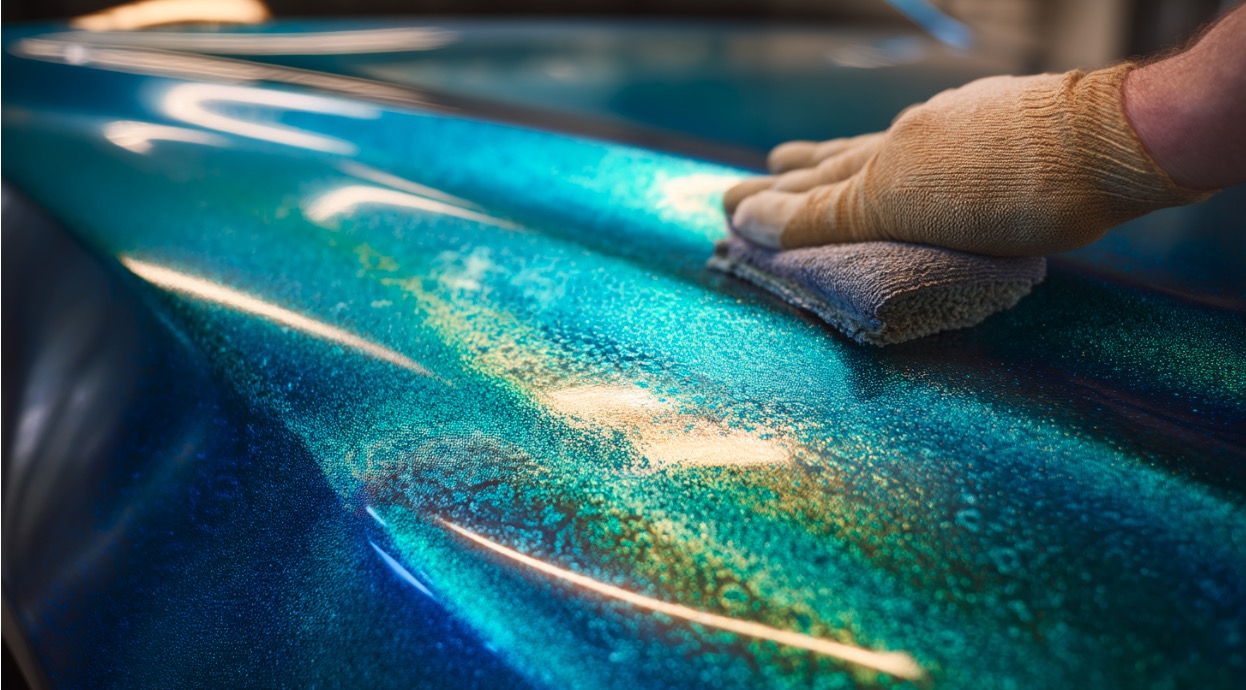
The finish also affects cost. Standard gloss and satin wraps are usually more affordable than specialty finishes. Matte, metallic, chrome, carbon fiber, color-shift, brushed metal, textured vinyl, and other specialty finishes usually cost more.
Some finishes are harder to install and easier to damage during application, which can increase labor time and material waste.
Labor and Installation Costs
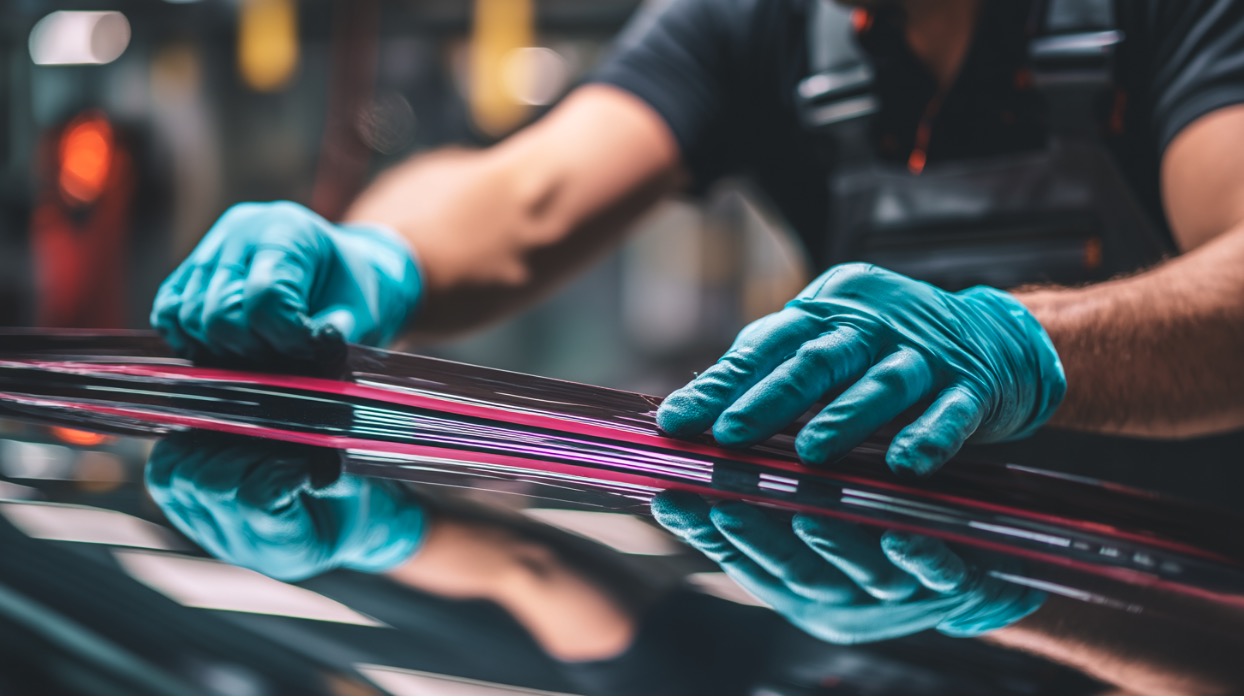
Professional installation costs more because wrapping a car is detailed work. The installer has to clean the surface, remove contaminants, align panels, stretch vinyl properly, apply heat, trim carefully, wrap edges, and work around handles, mirrors, bumpers, lights, and trim.
A clean wrap requires skill and patience. Poor installation can lead to bubbles, wrinkles, lifting edges, visible seams, damaged paint, uneven cuts, and a shorter wrap lifespan.
Full wraps often take several days, especially when the vehicle needs extra prep. Partial wraps may take less time, but even small wraps require careful cleaning and placement.
Vehicle Condition Matters Before Wrapping
A vinyl wrap follows the surface underneath it. That means dents, scratches, chips, rust, peeling paint, cracked bumpers, and body damage can show through the wrap. A wrap may change the color of the car, but it does not truly hide damaged panels.
Paint condition is especially important. If paint is peeling, poorly repaired, oxidized, or failing, the wrap may not adhere properly. It may also pull up paint during removal. Rust and deep scratches can create texture under the vinyl and make the final result look uneven.
Before investing in a full wrap, drivers with dents, scratches, or collision damage should have the vehicle inspected by Relux Collision so the surface is properly repaired before vinyl is applied.
Wrap Cost by Vehicle Type
Small cars and sedans are usually more affordable to wrap because they use less material and often have simpler panels. Still, pricing depends on trim, body lines, paint condition, and whether the wrap includes door jambs or only exterior surfaces.
SUVs and trucks usually cost more because they have larger panels, higher roofs, more complex bumpers, and more surface area. Lifted trucks or oversized vehicles may require extra labor because they are harder to access.
Vans and commercial vehicles can be more expensive because of their size and because many are wrapped with printed graphics or business branding. Fleet wraps also require consistency across multiple vehicles, which adds design and installation complexity.
Luxury, exotic, and performance vehicles often require extra care. These vehicles may have complex shapes, expensive trim, sensitive paint, and specialty finishes. Installers may spend more time protecting the vehicle and ensuring a clean result.
Is Wrapping Cheaper Than Painting?
A wrap may cost less than a high-quality repaint, especially when the goal is a temporary color change, business graphics, or a specialty finish. Wraps are also removable, which makes them appealing for leased vehicles, branding, or drivers who like changing styles.
However, paint may be the better option when the vehicle has a peeling clear coat, rust, heavy body damage, failing paint, or long-term restoration needs. Vinyl wrap is not a substitute for proper paint correction or body repair.
If a vehicle has paint damage, body damage, or previous collision repairs, Relux Collision helps drivers compare whether body repair, repainting, or wrapping makes the most sense.
How Long Does a Car Wrap Last?
Many wraps last several years, but lifespan depends on vinyl quality, installation, climate, exposure, and maintenance. A garage-kept vehicle will usually hold up better than a vehicle parked outside full-time in direct sun.
Heat, UV exposure, snow, road salt, harsh washing, tree sap, bird droppings, and poor maintenance can shorten the life of a wrap. Matte and specialty finishes may also require more careful cleaning.
To extend wrap life, hand wash the vehicle when possible, avoid harsh chemicals, skip automatic brush car washes, clean contaminants quickly, and avoid picking at edges or seams. Signs that a wrap may need replacement include fading, cracking, peeling, lifting edges, staining, and adhesive failure.
Hidden Costs to Consider
Car wrap quotes may include different things, so it is important to ask what is covered. Design fees may apply for custom graphics, logo placement, business branding, mockups, and revisions.
Removal costs are another factor. If the vehicle already has an old wrap, removing it may require extra labor. Aged, cracked, or sun-damaged vinyl can be harder to remove and may leave adhesive behind.
Prep work can also increase cost. Dent repair, scratch repair, rust repair, paint correction, surface cleaning, and trim removal may be needed before installation. While prep adds cost, it can make the finished wrap look better and last longer.
DIY Car Wrap vs. Professional Wrap
DIY wrapping may be realistic for small decals, mirrors, trim pieces, or simple accent panels. It requires patience, tools, a clean workspace, and a willingness to redo mistakes.
A full vehicle wrap is much harder. Large vinyl panels are difficult to align, stretch, and trim correctly. Mistakes can waste expensive material, and cutting too deeply near paint can cause damage.
DIY may save labor costs, but the final quality is often the tradeoff. Professional installation usually produces cleaner edges, fewer bubbles, better alignment, and a longer-lasting result.
Questions to Ask Before Wrapping a Car
Before choosing a wrap installer, ask what type and brand of vinyl will be used. Ask about the finish, warranty, expected lifespan, and care instructions.
Ask whether surface prep is included. This may involve washing, decontamination, clay bar treatment, trim removal, badge removal, or paint inspection.
Also ask what the quote covers. Does it include bumpers, mirrors, door handles, roof, door jambs, design work, old wrap removal, or warranty coverage? A lower quote may not include the same level of coverage or prep as a higher one.
Finally, ask whether the car needs body work first. If scratches, dents, rust, or paint damage will affect the wrap, it is better to know before installation begins.
Common Mistakes to Avoid
One common mistake is choosing the cheapest installer without checking their work quality. A bad wrap can peel, bubble, wrinkle, or damage the vehicle.
Another mistake is wrapping over damaged paint or dents and expecting the vinyl to hide everything. Wraps are thin, so surface flaws usually remain visible.
Drivers should also avoid ignoring removal costs, failing to ask about vinyl brand or warranty, using automatic brush car washes, parking constantly in harsh sun without care, and expecting a wrap to last forever.
It is also important not to confuse vinyl wrap with paint protection film. Vinyl wrap changes appearance, while paint protection film is designed primarily to protect paint from chips and scratches.
Conclusion
How much does it cost to wrap a car? The final price depends on vehicle size, wrap coverage, vinyl quality, finish type, design complexity, labor, and the condition of the body and paint. A partial wrap may be relatively affordable, while a full custom wrap on a large or complex vehicle can cost several thousand dollars or more.
A car wrap can be a great option for customization, branding, or temporary color changes, but the surface underneath matters. If the vehicle has dents, rust, peeling paint, or collision damage, those issues should be addressed before wrapping. The best decision comes from comparing wrap pricing, paint condition, repair needs, expected lifespan, and the long-term goal for the vehicle.