
How to Vet a Supplement Brand Before You Buy
WELLNESS PRODUCTS - Few aisles ask shoppers to trust more on less information than the supplement shelf. Bottles promise energy, focus, and longevity, yet the buyer rarely knows who made the product or what is truly inside. In a lightly policed market, the burden of proof falls on you.
The good news is that vetting a brand is a learnable skill. A reputable contract maker such as Superior Supplement Manufacturing builds quality and testing into every batch, but not every brand chooses such a partner. Knowing how to tell the careful operators from the careless ones protects both your health and your wallet.
Why Is Vetting a Supplement Brand So Important?
Supplements are not regulated like prescription drugs. They do not need approval for safety or effectiveness before they reach the shelf, which puts the responsibility on the shopper.
That gap matters because quality varies enormously. Independent testing has repeatedly found products with too little of the active ingredient, too much, or contaminants that were never listed. Two bottles with identical labels can hold very different contents depending on who made them.
The stakes are personal. You are putting these products into your body, often daily, sometimes alongside medication. A reliable reference like the MedlinePlus guide to vitamins helps you understand what a nutrient actually does before you trust a brand's promises about it.
None of this means supplements are dangerous or useless. Plenty are excellent, made by careful companies. It simply means the label alone is not proof, and a little verification turns a gamble into an informed choice.
What Should You Check On the Label?
The label is your first and best tool. A few minutes reading it tells you most of what a careful shopper needs to know.
Focus on these details:
- The Supplement Facts panel, which should list exact amounts, not vague blends.
- The full ingredient list, including fillers, binders, and allergens.
- A lot number and expiry date, signs of real batch control.
- The manufacturer or distributor, with a traceable name and address.
- Third-party seals, such as NSF or USP, that signal outside testing.
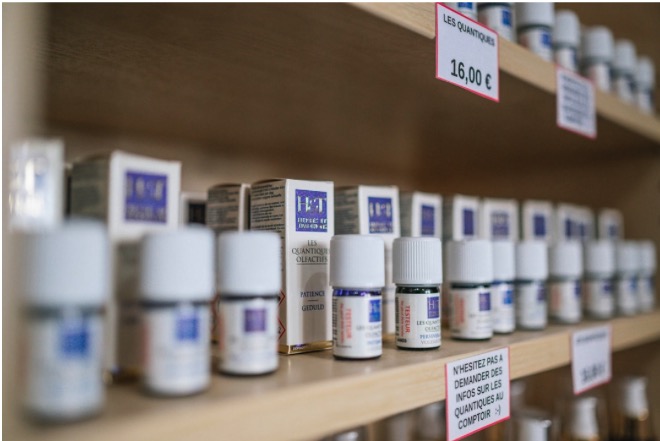
Be wary of the words you do not see. A label that hides exact doses behind a "proprietary blend" is keeping information from you. The same caution applies to herbal products, where the MedlinePlus overview of herbal supplements is a sober counterweight to marketing hype.
How Do You Verify a Brand's Quality Claims?
Anyone can print "premium" on a bottle. Verifying that claim takes a little digging, and good brands make it easy.
Start with third-party testing. A trustworthy company will share a certificate of analysis, or COA, showing an independent lab confirmed the contents. If you cannot find one, ask. A brand confident in its product answers within a day.
Then check the maker behind the label. A brand established for years, manufacturing since 2015 or earlier, with real certifications, has a track record to protect. The same scrutiny smart consumers bring to any regulated purchase belongs in the supplement aisle. Treat a bottle like any other big decision, the way you would compare quotes before a major spend on your car.
What Are the Red Flags of a Bad Supplement?
Some warning signs are reliable. Spotting them quickly saves money and protects your health.
Walk away when you see these:
- Miracle claims, such as curing disease or guaranteeing rapid results.
- No third-party testing and no certificate of analysis available.
- A hidden or anonymous manufacturer with no real contact details.
- Proprietary blends that conceal how much of each ingredient you get.
- Prices that seem too good to be true for the dose promised.
One red flag is not always fatal, but several together are a clear signal. The same diligence schools apply when vetting trusted service providers for safety is exactly what a supplement deserves before it enters your home.
Becoming a Smarter Supplement Shopper
Vetting a brand is not about distrust for its own sake. It is about matching your trust to the evidence.
Read the full label. Demand third-party testing. Research the manufacturer. Treat bold claims with healthy skepticism.
A few minutes of homework turns a confusing aisle into a manageable choice. The goal is simple: products made with care, proven by testing, and sold by a company willing to show its work. Spend your money there, and the rest of the shelf can keep its empty promises.
Frequently Asked Questions
Are Supplements Tested by the Government Before Sale?
No, not in the way drugs are. Supplements do not require pre-market approval for safety or effectiveness. Regulators can act after problems emerge, but the upfront responsibility falls on the manufacturer and, ultimately, the shopper. That is exactly why independent third-party testing and careful label-reading matter so much before you buy.
What Is a Certificate of Analysis?
A certificate of analysis, or COA, is a document from an independent lab confirming what a product contains. It verifies the active ingredient amounts and screens for contaminants like heavy metals. Reputable brands provide a COA on request or on their website. If a company cannot or will not share one, treat that as a serious warning sign.
Do Third-Party Certifications Really Matter?
Yes, they are among the most reliable signals available. Seals from bodies like NSF or USP mean an outside organization tested the product against a published standard, rather than the brand vouching for itself. Certification is not a guarantee of effectiveness, but it strongly suggests the contents match the label and are free of hidden contaminants.
How Can I Tell If a Supplement Claim Is Too Good to Be True?
Watch for absolute promises. Claims to cure diseases, melt fat effortlessly, or deliver dramatic results fast are classic red flags. Legitimate supplements support health rather than work miracles. If the marketing sounds more like a sales pitch than a measured description, be cautious. When there is no testing to back the claim, it almost certainly is too good to be true.
###