
Can $14 Million Save All the Pit Bulls and Other Animals at L.A. Animal Services Shelters Under Best Friends’ Plan?
ANIMAL WATCH - A $14 million plan to “save them all” has raised as many questions about public and employee safety as it has generated enthusiasm at Los Angeles Animal Services shelters.
With the support of Mayor Karen Bass and approval by the City Council on June 5, Best Friends Animal Society is now placing one of its own, Gabrielle Amster, in the role of General Manager of L.A. Animal Services to “get the job done.”
This appears to confirm the multi-million-dollar organization’s intent to fund and guide a “No Kill” program carried out by Los Angeles City employees under nonprofit leadership.
Best Friends CEO Julie Castle described the goal this way:
“Nearly 2 out of 3 shelters achieved no-kill last year, and our goal is to get to 100%. In just the first half of 2025, lifesaving for dogs and cats in U.S. shelters jumped 19% compared to the same time period last year. But still, every 90 seconds a dog or cat is killed in a U.S. shelter simply because they don’t have a safe place to call home.”
Castle added:
“Through collaboration, we can create permanent, systemic change in Los Angeles. This will be a moment in history we look back on, knowing animal welfare in Los Angeles was forever changed by this groundbreaking partnership.”
Annette Ramirez, Interim General Manager of L.A. Animal Services, also praised the partnership:
“The combined support from the ASPCA and Best Friends extends beyond the immediate operations needs of LA Animal Services. It demonstrates a commitment to a renewed vision for animal welfare across the city to keep pets and people together.”
Best Friends’ 2025 Income — But Is It Really Sharing?
According to Best Friends’ own financial reporting, the organization received substantial funding in 2025 from donations and other sources:
- Donations from individuals: $148,397,340 — 54%
- In-kind donations: $105,538,296 — 39%
- Corporate and foundation gifts: $15,574,037 — 6%
- Other: $3,657,739 — 1%
These figures raise a basic question: if Best Friends has the resources and influence to reshape L.A. Animal Services policy, how much responsibility will it also accept for the results?
Anyone can follow shelter intake and outcome records through the LAAS Woof Stat Report.
The Latest General Manager to Accept the “No Kill” Challenge
Gabrielle Amster now becomes the latest leader to accept the challenge of running L.A. Animal Services under the “No Kill” philosophy.
Recent leaders include Annette Ramirez, Brenda Barnette, and Stacee Dains. Each has operated in a system where large numbers of pit bulls and other powerful dogs with unknown or concerning backgrounds are promoted for adoption, often as family pets.
But can the public trust any organization that advocates aggressively for the adoption of dogs with serious behavioral histories?
According to published shelter statistics, the number of animals adopted by the public or redeemed by owners is often low compared with the number transferred to “New Hope” partners and rescue groups. Can that truly be considered success?
There is also the larger issue of City of Los Angeles employees, paid by taxpayers, working under the influence or direction of a nonprofit organization. According to the League of California Cities, such arrangements may be legal, but a city cannot completely abdicate its statutory authority, oversight, and public accountability.
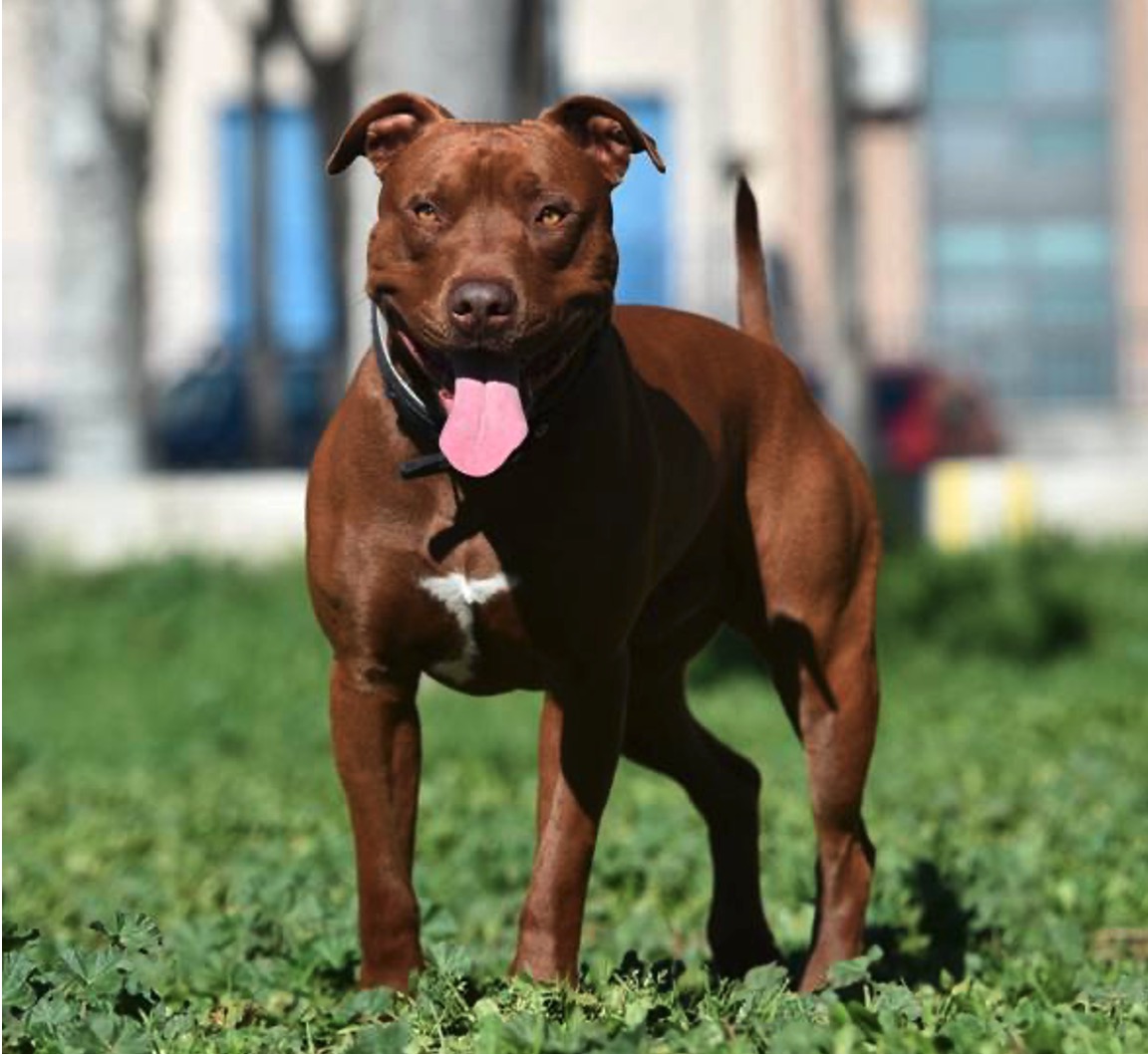
Hiding Prior Bite History Must Stop
Los Angeles and some rescue organizations have recently faced lawsuits involving serious dog attacks by animals adopted out without full disclosure of known danger.
One widely discussed case involved Maximus, a Belgian Malinois involved in the so-called “meatgrinder” dog attack case. A jury awarded the victim $5.4 million after evidence showed the dog had previously bitten a young girl and a shelter employee. Those prior incidents were reportedly not disclosed before the dog was released.
This is exactly the kind of failure that must never happen again.
If a dog has a known bite history or has displayed dangerous behavior in the shelter, the public, employees, volunteers, adopters, and rescue partners must know. Transparency is not optional when public safety is involved.
Best Friends’ insistence on saving every adoptable animal must be balanced against a growing national concern over serious dog attacks, many involving pit bulls or pit bull-type dogs.
Nonprofit organizations claim to be developing protections for LAAS shelters, employees, adopters, and visitors. But can they be trusted to manage policy while the taxpayers remain responsible for the consequences?
What Is Happening at the Northeast Valley Shelter?
One question that must be asked is whether Best Friends will allow the City to reclaim and reopen the Northeast Valley Shelter for homeless animals.
LAAS shelters are overcrowded. Animals are suffering. The public is frustrated. Employees are exhausted.
L.A. Animal Services has already lost many experienced officers, supervisors, veterinarians, and shelter technicians. Many more are nearing retirement age. Do Best Friends and the ASPCA have a real plan to replace them? Are new employees being trained inside LAAS shelters? Are safety protocols being strengthened?
Best Friends must be ready to assume full responsibility for its actions in Los Angeles, not leave the burden of a “No Kill” experiment on taxpayers and city employees.
The Best Friends and ASPCA Plan
News outlets described the partnership as a first-of-its-kind collaboration and the largest combined investment by the two national organizations in a single municipal shelter system.
L.A. Animal Services is one of the largest municipal shelter systems in the country, serving approximately 50,000 animals and responding to more than 20,000 emergency calls per year involving animals and people in danger.
LAAS says its work with New Hope partners has reduced overcrowding by offering reduced adoption fees, hosting special adoption weekends, and transferring animals to rescue groups. Since 2017, the department has claimed a 90% placement rate.
But placement rate alone cannot be the only measurement. Safety, transparency, employee protection, adopter protection, and humane outcomes must also count.
Spay and Neuter Efforts in South Los Angeles
The ASPCA says it has spayed or neutered more than 167,000 Los Angeles pets and shelter animals through its South Los Angeles clinic and has transported more than 70,000 dogs and cats from Los Angeles-area shelters to other organizations for a better chance of adoption.
Best Friends says it has invested more than $80 million to support programs across Los Angeles, particularly for at-risk animals, expanded community services, and spay/neuter centers under city contracts.
These efforts are important. But they do not eliminate the City’s responsibility to protect shelter workers, visitors, adopters, and the surrounding community.
The South L.A. shelter remains in dangerous condition and is located in a neighborhood where employees and visitors deserve more protection. That requires immediate attention not only from Best Friends and the ASPCA, but also from city officials, unions, and the Los Angeles Police Department.
Best Friends and ASPCA Must Help Develop Safety for Shelters and Employees
Los Angeles cannot retain employees who feel unsafe.
Best Friends and the ASPCA are multi-million-dollar organizations. If they are going to shape shelter policy, they must also accept responsibility for safety, training, transparency, and outcomes.
Taxpayers have already paid enough for failures involving aggressive animals that should never have been maintained in public shelters or released without full disclosure.
Animals deserve humane treatment. Employees deserve protection. Adopters deserve honesty. The public deserves safety.
Safety Must Be Improved at L.A. Shelters
Any expanded role for Best Friends and the ASPCA must include stronger safety programs for shelters, employees, adopters, volunteers, and visitors.
The LAPD should be fully informed of shelter safety plans so that cooperative programs can protect employees and the public.
This effort must also include funding for field officers to address unlicensed breeders, animal abuse complaints, loose aggressive animals, and threats to neighborhoods.
Best Friends Animal Society has never run a full-service municipal animal control agency responsible for both animals and humans while also enforcing local laws. L.A. Animal Services is not merely a shelter system. It is also a law-enforcement agency.
That must not be forgotten.
(Phyllis M. Daugherty is a former Los Angeles City employee and a long-time animal welfare advocate. A contributor to CityWatchLA, she is known for her investigative reporting on animal shelter operations, misuse of public funds, and the dangers of poorly regulated pet adoption policies. She is a strong proponent of public safety in animal control, advocating for stricter oversight of aggressive dog breeds, especially pit bulls, and for breed-specific legislation.)