Comments
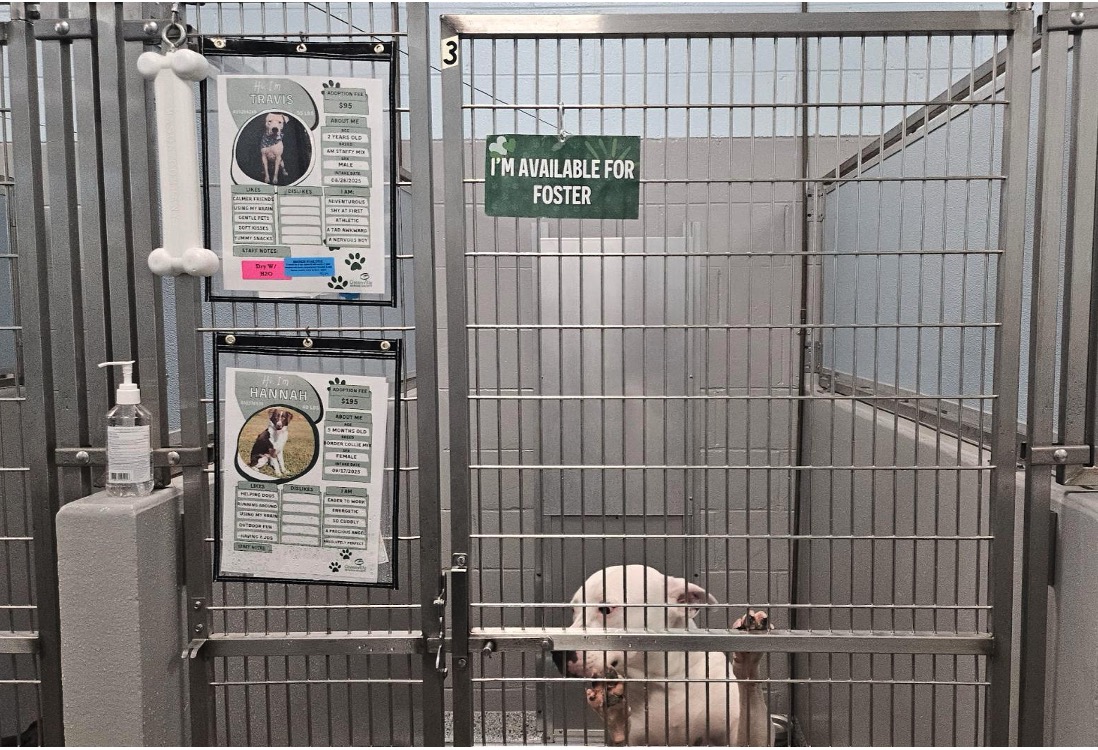
THE BOTTOM LINE - Los Angeles proudly calls itself a compassionate city. It celebrates its commitment to justice, inclusion, and protecting the vulnerable. Yet every day, across one of the wealthiest cities in the world, animals are abandoned, neglected, abused, or euthanized despite countless opportunities to prevent their suffering. That contradiction should concern every Angeleno. The tragedy unfolding in our animal shelters is not simply the result of unfortunate circumstances, it reflects years of inadequate leadership, inconsistent enforcement, and a failure to prioritize prevention over crisis management.
California boasts the fourth-largest economy in the world, and Los Angeles manages billions of taxpayer dollars each year. The city is home to dedicated veterinarians, rescue organizations, nonprofit advocates, volunteers, and compassionate residents who devote countless hours to saving animals. No one can seriously argue that Los Angeles lacks the financial resources, expertise, or community support necessary to build one of the nation's strongest animal welfare systems. What the city lacks is the political determination to turn those resources into measurable results.
The conversation about animal welfare often begins after shelters reach capacity or rescue groups issue desperate pleas for help. By then, the system has already failed. Prevention—not emergency response is what saves lives. Affordable spay-and-neuter programs, public education, responsible pet ownership, early intervention, and consistent enforcement of existing animal welfare laws remain the most effective tools available. Every unwanted litter prevented reduces overcrowding. Every owner educated about responsible care reduces abandonment. Every act of early intervention spares an animal from entering an already overburdened shelter system.
Government cannot continue expecting volunteers and nonprofit organizations to shoulder responsibilities that properly belong to public agencies. Rescue organizations perform extraordinary work under extraordinarily difficult circumstances, but they should complement public policy not compensate for its shortcomings. Their dedication should never become an excuse for government complacency or institutional inaction.
Transparency must also become a central pillar of reform. Residents deserve clear and accessible information about shelter capacity, adoption outcomes, euthanasia rates, animal intake trends, enforcement activities, and the effectiveness of publicly funded programs. Taxpayers are entitled to know not only how much money is being spent, but whether those investments are achieving measurable improvements. Public confidence is earned through accountability, not optimistic messaging or carefully crafted public relations campaigns.
City leaders should welcome constructive criticism from those working on the front lines of animal welfare. The organizations rescuing abandoned animals, caring for neglected pets, and responding to cruelty cases possess firsthand knowledge of where the system succeeds and where it breaks down. Listening to those voices should not be viewed as political vulnerability; it should be recognized as an essential component of effective public leadership.
The solutions themselves are neither radical nor unattainable. Expand affordable spay-and-neuter services into underserved neighborhoods. Consistently enforce existing animal welfare laws. Invest in education that promotes responsible pet ownership before crises develop. Strengthen partnerships with reputable rescue organizations and establish measurable performance standards for publicly funded animal welfare programs. Above all, shift the city's focus from reacting to emergencies toward preventing them altogether.
This issue extends beyond animal welfare. It reflects how government approaches responsibility itself. Successful public policy is measured not by intentions, announcements, or press conferences, but by outcomes. Compassion without execution produces disappointment. Funding without accountability produces inefficiency. Leadership without measurable results ultimately becomes little more than rhetoric.
History will not remember how many meetings were held or how many statements were issued promising reform. It will remember whether Los Angeles acted decisively when confronted with a preventable crisis affecting those who have no voice of their own. A civilized society is judged by how it treats its most vulnerable, and that standard applies just as much to animals as it does to people.
Los Angeles has the financial capacity, institutional knowledge, and community support to become a national leader in animal welfare. The city does not need another study, another task force, or another public awareness campaign that ends with promises rather than progress. It needs leadership willing to demand accountability, embrace transparency, enforce existing laws, and make prevention the cornerstone of public policy.
The bottom line is unmistakable: Los Angeles does not suffer from a shortage of compassion or resources. It suffers from a shortage of accountability. Until that changes, preventable suffering will continue, and innocent animals will keep paying the price for government failure.
(Mihran Kalaydjian is a seasoned public affairs and government relations professional with more than twenty years of experience in legislative affairs, public policy, community relations, and strategic communications. A respected civic leader and education advocate, he has spearheaded numerous academic and community initiatives, shaping dialogue and driving reform in local and regional political forums. His career reflects a steadfast commitment to transparency, accountability, and public service across Los Angeles and beyond.)