
How L.A.’s Small Lot Law Sparked Evictions—and How Tenants Fought Back
HOUSING - For more than a year, residents of Melrose Bungalows in East Hollywood and the historic Scott Avenue Court Bungalows in Echo Park, with help from Coalition for Economic Survival (CES) Director of Organizing Carlos Aguilar, have opposed landlords' attempts to use LA’s Small Lot Subdivision Ordinance to convert their affordable homes into expensive individually owned properties.
Tenants also gained strong support from their LA City Councilmember Hugo Soto-Martinez and his staff. These cases could have established a precedent related to conversions, higher displacement rates, and the loss of affordable housing throughout the city.
Los Angeles Small Lot Subdivision Ordinance Explained
Under the 2005 Los Angeles Small Lot Subdivision Ordinance, developers are permitted to split of subdivide multi-family or commercially zoned properties into smaller lots to build or covert the property into compact, detached single-family homes, which can then be sold individually, thereby circumventing typical condominium rules and complicated defect liabilities.
Each buyer has ownership of their plot, which removes usual condo guidelines and significant monthly HOA costs. Lot sizes can be reduced to roughly 600 square feet, with widths narrowing to 16 to 18 feet, bypassing typical single-family lot rules.
Law is a Loophole Tool for Developers
Critics such as CES contend that Los Angeles's Small Lot Subdivision Ordinance promotes developer profiteering and leads to neighborhood gentrification.
Although initially intended to provide "starter homes," small-lot subdivisions frequently become some of the most expensive housing options available, generating substantial profits for developers instead of genuine affordability. No new additional housing is produced when existing housing is converted. However, affordable, rent-controlled properties are expected to be lost.
New state laws simplify small lot-style subdivisions of up to 10 units by eliminating local discretionary reviews and public hearings, creating fast-track loopholes that benefit real estate interests.
Two Tenant Groups Facing Eviction Unite
Since the process started at the same time for both buildings, tenants came together and supported each other in trying to stop the conversion and avoid evictions.
The tenants of Scott Avenue created a "Save Scott Ave" coalition alongside allies, local businesses, and neighbors who participated in several hearings at their Neighborhood Council and the City Planning Department.
Terri Patchen, an educator and long-term tenant who has lived in her bungalow since 1988, said, “It feels like someone is reaching in and yanking out my heart, in a way… I couldn’t go to another apartment [in the area] without tripling my rent.”
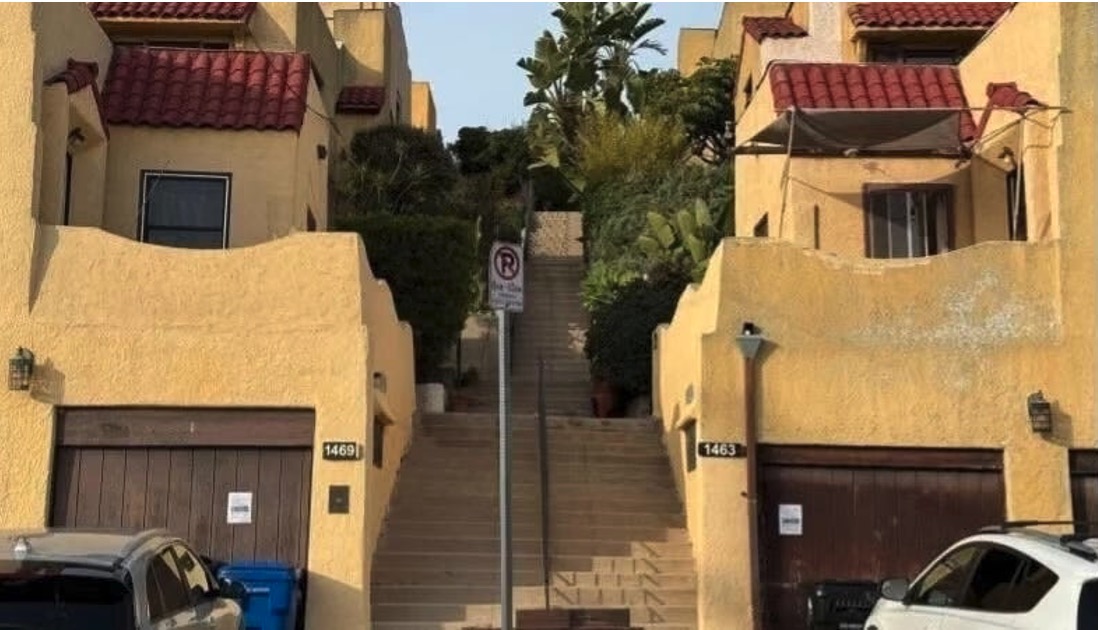
(Above: Scott Avenue Court Bungalows)
In 2008, the 10-unit building was designated as a L.A. Historic-Cultural Monument. Therefore, the Scott Ave buildings were subject to the state Mills Act, requiring property owners to implement a rehabilitation and maintenance plan in line with the U.S. Secretary of the Interior's Standards for Rehabilitation, and maintain regular upkeep and habitability compliance. Because of failing to comply with these requirements, the landlord ultimately retracted his application in July 2026.
One Victory Down, Another to Go
Having secured their win, the Scott Avenue tenants concentrated on aiding their allies at the Melrose Bungalows, where many long-term, low-rent tenants reside.
At the end of last August, after many months of administrative hearings and appeals, tenants of the 1923 10-unit Melrose Bungalows attended a crucial hearing. Tenants and allies, including CES, attended the final hearing before the LA City Council's Planning and Land Use Management (PLUM) Committee to challenge proposals allowing a small lot subdivision of their units.
Second Victory Secured
The PLUM Committee reviewed the Melrose Bungalows matter on August 25 and voted to reject the subdivision approval. The PLUM's recommendation received unanimous support from the full LA City Council on August 28, passing 10-0!
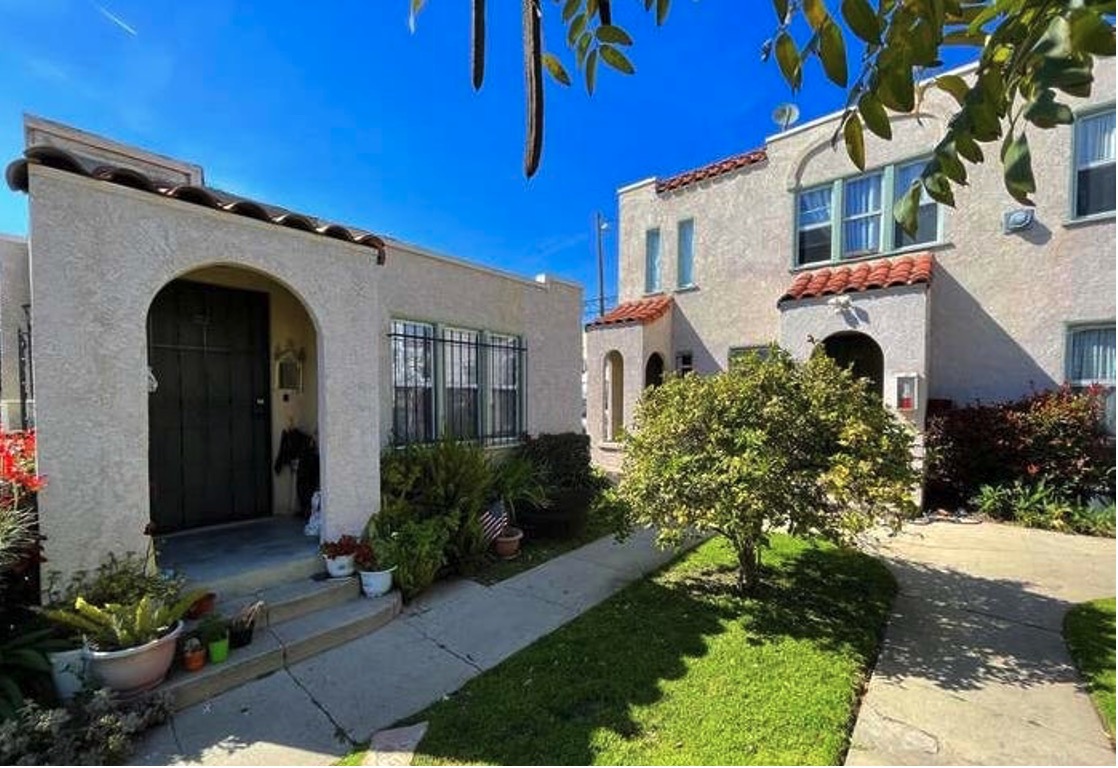
(Melrose Bungalows Pictured Above)
These were two huge wins for the tenants, who comprised retired teachers, young professionals, enterprising artists, essential service workers, and young families beginning their journey. Collectively, they demonstrated tenants can achieve success through knowledge, empowerment, and action.
Councilmember Hugo Soto-Martinez and his staff deserve much gratitude for their consistent and crucial assistance to the tenants and the preservation of these affordable, rent-controlled housing units.
(Larry Gross is Executive Director and Carlos Aguilar is Director of Organizing of the Coalition for Economic Survival (CES), a Los Angeles-based organization advocating for tenants’ rights, affordable housing, and economic justice.)