
L.A. County Faces a Government Shake-Up
WESTSIDE - Currently larger than 40 states in terms of population with roughly 10 million residents, Los Angeles County is a sprawling, diversified unit of government that is about to be transformed by the expansion of the Board of Supervisors and a directly elected County Executive, removing those responsibilities from this detached legislative body that currently acts as both executive and legislative in function.
All that is about to change.
I reached out to Godfrey Santos Plata, the Deputy Director of LA Forward, to get his take on this massive structural reform and how it will impact Los Angeles County.
A Los Angeles-based political organizer and nonprofit executive, Plata was born in Marikina, Philippines and immigrated to the United States, he is a former public middle-school teacher who moved into community organizing and resides in Koreatown.
Plata's political focus is racial equity and justice, and building "people power" through political reform.
He is an advocate for progressive government action, including expanded representation, renter protections, social housing, and alternatives to traditional police responses.
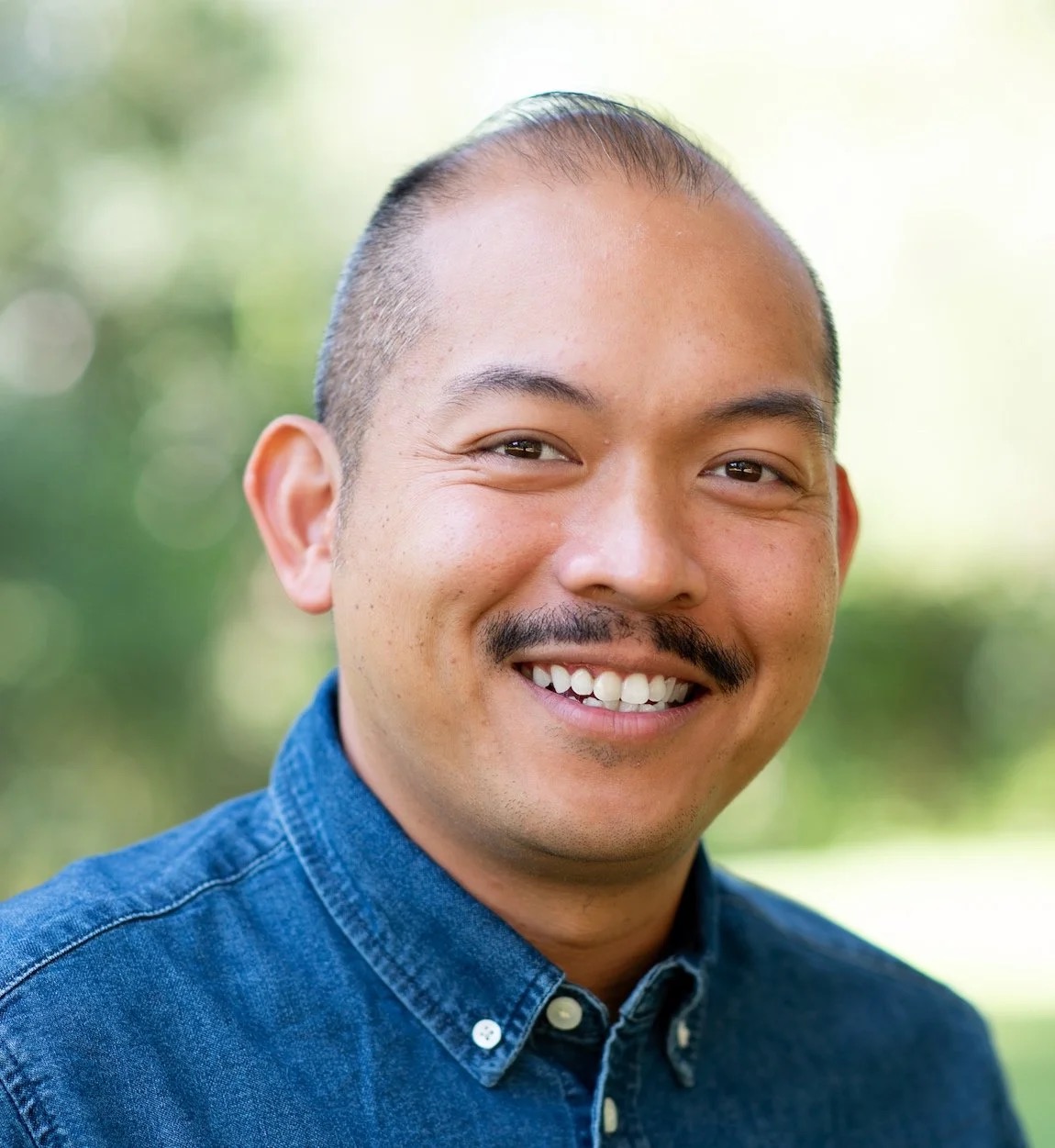
Godfrey Santos Plata
Plata represented LA Forward in the debate over expanding the Los Angeles City Council from 15 members and supported 29 council districts. The Los Angeles Times quoted him arguing that simply sending the issue to a Charter Reform Commission amounted to procrastination.
LA Forward is much more than a traditional neighborhood, not for profit. Their emphasis is civic and political grass roots action, neighborhood organizing, policy advocacy, electoral engagement, and support for expanded government reform.
Below is my unedited Q&A with Plata:
How will expanding the Board of Supervisors create greater accountability to voters?
Right now, each supervisor represents roughly 2 million people, which is more than the population of some states. Expanding from five districts to nine after the 2030 census will bring that number closer to 1.1 million residents per district. That’s still a very large constituency, but it gives supervisors a better chance to understand the communities they represent, maintain meaningful relationships with residents, and respond to what isn’t working.
Is nine supervisors enough? Would 15 or even 30 create a stronger legislative body?
Nine is an improvement, but it’s not the only number that could work, and it doesn't have to be the final number forever. Even with nine supervisors, each district will have more than 1 million residents.
The good news is that most Los Angeles County residents have local representation and public servants through their mayor or city council system. The biggest challenge remains serving the 1+ million residents in unincorporated areas of LA County. Those residents need policy-making that represents their interests.
Measure G also creates a new County Executive elected countywide beginning in 2028.
The office will replace the current appointed Chief Executive structure with an official who answers directly to voters. And it establishes a Charter Review Commission that will begin meeting in 2034 and at least once every 10 years after that. That gives us an opportunity to evaluate the impacts of the new role and whether nine Supervisors is enough, or whether that number should be expanded in future years.
What staffing and salary will be necessary for the County Executive?
I don’t think we should speculate on a salary before the responsibilities, organizational structure, and staffing model are fully defined.
This person will oversee a government with more than 100,000 workers, dozens of departments, a budget of tens of billions of dollars, and responsibility for services affecting nearly 10 million people. It will need experienced leadership in operations, budgeting, labor relations, emergency response, policy implementation, intergovernmental affairs, communications, and community engagement. Compensation should be determined through a transparent public process with community input, but should also be high enough for the County to attract qualified candidates.
What is the single most important issue the first County Executive will face?
What Los Angeles County could really benefit from is stronger coordination across systems and a clear answer for who is responsible when those systems fail to deliver. The first executive will have to assess and align departmental work, while also building a completely new working relationship with the Board of Supervisors and department heads. The Board of Supervisors will remain the County’s legislative body. It will appropriate County funds, set policy, confirm department-head appointments, and retain other oversight powers. Measure G therefore creates a new power dynamic between an elected executive and an expanded legislative branch. If that relationship begins with constant power struggles, residents will pay the price. But if it begins with clear responsibilities, transparency, and shared expectations, this reform could significantly improve the way our government works.
Is the County Executive essentially a governor for Los Angeles County?
No. While there are similarities, I wouldn’t say it’s the same. Like a governor, the County Executive will be elected by a large and diverse population, lead an executive branch, submit a budget, appoint department heads subject to confirmation, and respond to emergencies.
But the County Executive will not be a governor in the legal sense. Counties are political subdivisions of the state, and the office will remain limited by state law, the County Charter, the authority of independently elected county officers, and the legislative powers of the Board of Supervisors.
Furthermore, the County already has a chief executive function, but the current official is appointed by and accountable to the Board of Supervisors. Beginning in 2028, voters will choose the County Executive and can hold that person accountable at the ballot box. Candidates will need to explain how they would manage a massive public institution, work with labor and community partners, respond to emergencies, and deliver services across a county of 10 million people.
Should the County Executive appoint Superior Court judges? What about the assessor, sheriff, or district attorney?
No. Those are not powers Measure G gives the County Executive.
Under California law, voters will continue to elect Superior Court judges, the assessor, the sheriff, and the district attorney as separate elected countywide offices. Changing those structures would raise significant legal and constitutional questions and would require a much broader public debate than the current Measure G implementation process.
Did Measure G go far enough, or is it simply a good first step?
Measure G is one of the most significant changes to Los Angeles County government in generations. It creates an elected executive, expands the Board, establishes independent ethics oversight, creates a nonpartisan legislative analyst, and requires greater public visibility into the budget. But no single ballot measure can solve every structural problem in a government this large. Measure G is a major first step in an ongoing process to improve transparency and accountability.
Should Los Angeles County have an ongoing Charter Review Commission?
Yes, and Measure G creates one.
Beginning in 2034, the Charter Review Commission must meet at least once every 10 years to examine County governance and recommend changes. The Board must place its recommendations on an agenda within 90 days.
If department heads report to the County Executive, how does that benefit taxpayers?
Today, when a program fails, voters don’t know whether responsibility belongs to a department head, the appointed CEO, one supervisor, the entire Board, a contractor, or another agency. Under the new structure, the executive will appoint most department heads with Board confirmation, manage the administration, and be accountable to voters for overall performance.
Taxpayers also still have an opportunity to shape this role. The Governance Reform Task Force is currently working through how to implement this new structure and is seeking community input. That means Angelenos can still weigh in on where authority sits, what transparency is required, how the branches interact, and what safeguards are needed.
What changes do you anticipate in collective bargaining and long-range planning?
The Governance Reform Task Force has been very clear that any major reorganization should respect existing collective bargaining agreements and civil-service protections. This role doesn’t erase the County’s obligation to meet and confer with unions. If the new structure changes reporting lines, job duties, or departmental organization, the County may have bargaining obligations.
Would you support moving from an annual budget to a two-year budget?
We've supported LA City's efforts to transition from an annual budget to a two-year budget, so we're not opposed. However, we'd have to better understand this conversation at the County level before translating our City perspective onto the County's budget.
Will the County Executive have term limits?
Measure G establishes a four-year term, but it does not currently impose a limit on the number of terms a County Executive may serve. However, we strongly urge the state legislature to address this and institute a two-term maximum before the first County Executive is elected. Term limits are necessary to prevent one person from consolidating power indefinitely and create regular opportunities for new leadership.
Will the County Executive be the day-to-day manager, or act more like a mayor or governor?
The County Executive will be the County’s elected executive leader. The office will set administrative direction, appoint and oversee department heads, submit the budget, coordinate the County’s response to major problems, and be accountable for whether the administration delivers. Department heads and professional managers will still run their departments.
The County also directly governs unincorporated communities and delivers regional services like public health, as well as contracted services for some cities. That means the County Executive’s decisions will be felt differently depending on where someone lives and which services their city receives from the County. Altadena is a good example. Because it is unincorporated, County government has played the central governmental role in the recovery efforts from last year’s fires. The County’s cooling ordinance is another example. A County rule may apply directly in unincorporated areas, while incorporated cities must adopt their own rules.
Could this place too much power in one person’s hands?
Yes. That’s why we need to clearly define this position's authority and ensure checks and balances exist. This could include things like confirmation of appointments, public budget proceedings, veto overrides, independent ethics enforcement, legislative analysis, written explanations for major decisions, accessible public records, and meaningful community participation. We also encourage the state legislature to impose term limits. Some of these may require future charter changes or another vote. But we should not wait for a future election to pay attention. The best time to shape a public office is before anyone occupies it.
What experience should the first County Executive have? Should it be a current supervisor, an experienced mayor, or a political outsider?
The first executive will set precedents that could shape this office for decades.
We likely need someone with experience managing complex institutions, working constructively with labor and communities, handling emergencies, and understanding public budgets. A mayor or supervisor may have more of that experience, but a title shouldn’t automatically qualify or disqualify someone.
We also need to recognize that politics will influence the race.
A countywide campaign raises real questions about who can afford to run, and who can raise the money needed to reach voters across a county of 10 million. We need to ensure the process doesn’t disproportionately favor candidates with wealth or access to major donors. That means paying very close attention to campaign rules, contribution limits, public financing, and term limits, even if enacting standards for these things requires separate action beyond the Task Force’s current authority.
How could the County Executive improve results on homelessness and mental health, particularly after the problems at LAHSA?
The County Executive will be able to establish shared goals across areas like housing, mental health, public health, social services, justice, and emergency-response systems and hold department leaders accountable for meeting them.
Right now, when something goes wrong, each institution can point to another institution and say the problem belongs somewhere else. That’s part of why this County Executive position was created. The office could also make it easier to identify communication or structural breakdowns, resolve conflicts between departments, and increase public transparency. Homelessness and behavioral health are good examples of areas where this could happen because challenges cross departments, jurisdictions, funding streams, and service systems.
Should all department heads be at-will appointees like members of a presidential Cabinet?
The County Executive will appoint most department heads, but those appointments will still require Board confirmation. The executive may remove department heads, but the Board can reinstate someone by a two-thirds vote. Some offices are also expressly outside the executive’s appointment authority. Those checks are important to ensure no one position holds too much power.
What proposals is LA Forward supporting as the County Executive position is created?
LA Forward is focused on ensuring as many community members as possible understand the role they can have in shaping these proposals, and that any proposals that do move forward deliver on what voters need. Our role is to make this process understandable. We are holding conversations, working with community organizations through the Our LA coalition, and gathering resident priorities so this new office is not designed solely by people who already know how to navigate County government.
Currently, we’re gathering community feedback and determining priorities through a public survey at tinyurl.com/la-elected-exec, and then sharing that input with the Task Force.
Other priorities include:
- Clear division, structure, and balance of authority between the County Executive and Board of Supervisors: Clearly defining boundaries between legislative direction set by the Board and executive implementation carried out by the Elected County Executive, as well as building formal systems of collaboration that go beyond ad hoc coordination.
- Written, public explanations for vetoes, removals, emergency actions, and other consequential decisions: Written explanations would significantly enhance transparency, align with best practices in public governance, strengthen public trust, and ensure mandates are grounded in clear policy reasoning rather than political discretion.
- Develop clear key performance indicators (KPIs) tied to equity, service delivery, budget outcomes and impact, and departmental performance: These should be publicly established and featured prominently on the County’s website through a dashboard portal to ensure transparency.
- Meaningful community participation, including options beyond attending a government meeting during working hours: Allocate dedicated staff to represent the County Executive in local communities, serving both as field representatives and as liaisons to facilitate information-sharing and align responses to community needs, challenges, and opportunities.
- Establish a two-term max limit for the County Executive position: Term limits are necessary to prevent one person from consolidating power indefinitely and create regular opportunities for new leadership.
- Robust checks and balances to prevent the concentration of power and ensure accountability: Independent budget analysis, regular oversight hearings, mandatory public reporting, the establishment of a community accountability council, independent audits of emergency actions, and clearly defining which positions the County Executive may appoint, as well as requiring Board confirmation for key roles to prevent political consolidation.
(Nick Antonicello is a thirty-three-year resident of the Westside and in a prior life worked as a legislative aide for the Bergen County Board of Chosen Freeholders, the largest of New Jersey's 21 counties that experienced charter reform in 1985 that created the position of county executive. A regular contributor to City Watch LA, he can be reached via e-mail at [email protected].