

PALM SPRINGS - Safety, Liability, Wildlife and Civic Identity Collide in Debate Over Palm Tree "Skirts"
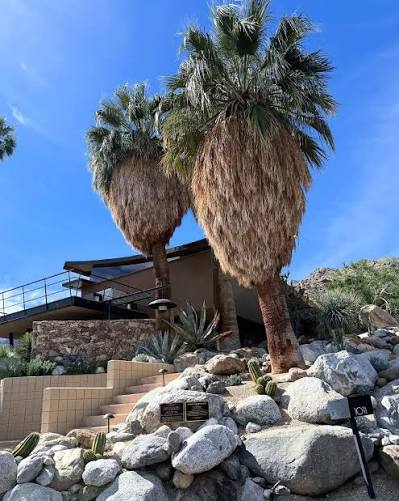
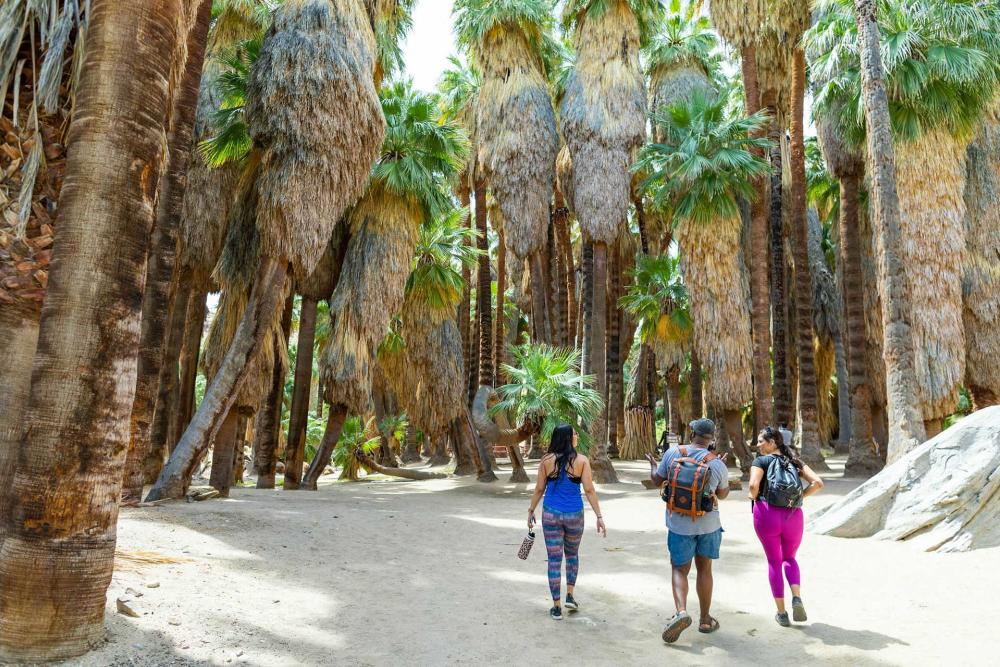
For decades, one of the defining images of Palm Springs has been its towering California fan palms, many adorned with their distinctive "skirts" of dead fronds cascading beneath the living canopy. They have graced postcards, Hollywood films, tourism brochures, and family vacation photos, helping create the city's unmistakable desert identity.
Now, many of those iconic skirts are coming down.
After years of public debate, the Palm Springs City Council voted on July 8 to adopt a new policy allowing the removal of palm skirts from many city-owned trees. The decision came after officials argued that the aging fronds have become a growing public safety hazard and financial liability.
The vote followed nearly two hours of public testimony from residents, environmental advocates, and city staff, reflecting how something as seemingly simple as palm tree maintenance has evolved into a broader discussion about preservation, public safety, and the future character of Palm Springs.
Public Safety vs. Palm Springs Tradition
City officials say the issue is straightforward.
According to Public Works Director David McAbee, dead palm skirts can weigh several thousand pounds and occasionally detach without warning. City records showed 14 palm skirts fell during 2025, while another 15 had already fallen during the first half of 2026.
The city has also faced legal claims after falling palm fronds injured people, including a lawsuit that resulted in a settlement reportedly totaling approximately $100,000.
Officials argue that removing skirts in heavily traveled areas reduces the risk of injury while also limiting rodent infestations, insect activity, maintenance expenses, and potential liability.
"We have an obligation to protect the public," city staff told the Council during the discussion.
Residents Push Back
Not everyone agreed.
Many Palm Springs residents argued that the skirts are not merely dead vegetation—they're part of the city's visual identity.
For generations, the shaggy palms have helped distinguish Palm Springs from other desert communities. Residents expressed concern that aggressively trimming the trees would erase one of the city's most recognizable features and leave streets lined with palms that resemble those found almost anywhere else.
Some residents questioned whether the city was sacrificing character in the name of risk management.
Wildlife Concerns
Environmental groups also entered the debate.
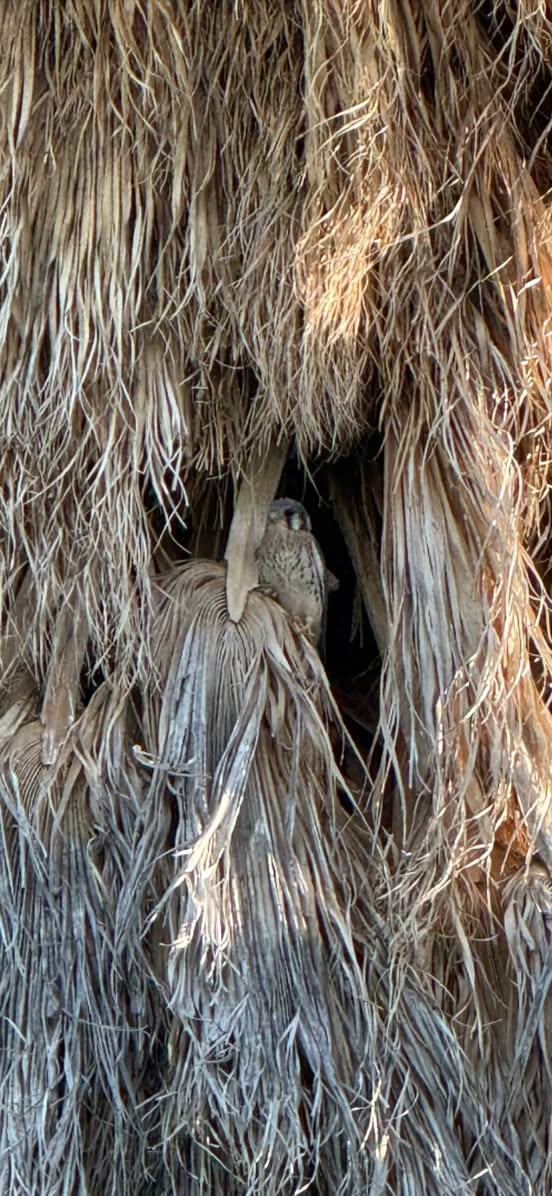
The Oswit Land Trust urged the City Council to proceed cautiously, arguing that palm skirts provide valuable habitat for birds, owls, bats, and other wildlife. Conservation advocates warned that removing every skirt could disrupt nesting areas and reduce biodiversity within the urban landscape.
Rather than adopting a blanket policy, they recommended evaluating each tree individually based on safety, location, and ecological value.
A Compromise Emerges
In the end, the City Council approved a compromise rather than an all-or-nothing approach.
Under the new policy:
- Palm skirts will be removed primarily in high-traffic pedestrian areas and locations where falling fronds present the greatest safety risk.
- Some palms in historic districts and lower-use parks or medians may retain their natural appearance.
- Wildlife inspections will be conducted before trimming.
- Trimming activities will generally avoid bird nesting season.
The result attempts to balance public safety with environmental stewardship and the preservation of Palm Springs' historic character.
A Question Larger Than Palm Trees
The controversy reflects a challenge facing cities across California.
How much of a community's historic character should be altered to reduce liability and improve public safety?
Whether the issue involves mature trees, historic buildings, aging infrastructure, or public art, local governments increasingly find themselves weighing tradition against modern legal and financial realities.
Palm Springs' fan palms have long symbolized the city's relaxed desert lifestyle. To some, removing their skirts is simply responsible maintenance. To others, it represents the gradual erosion of the city's unique identity.
For now, the palms will remain—but many will look noticeably different.
Whether residents ultimately embrace the cleaner appearance or continue to mourn the loss of one of Palm Springs' signature features remains to be seen.
One thing is certain: few expected that dead palm fronds could spark one of the city's liveliest civic debates.
###