AI TECHNOLOGY - ai generated video technology has rapidly transitioned from a niche experimental concept to the very backbone of modern digital storytelling. In an age where information moves at light speed and audience attention spans are measured in mere seconds, the traditional methods of video production—once characterized by months of planning, expensive equipment rentals, and grueling manual post-production—are being augmented by intelligent systems. This shift is not merely about convenience; it is a fundamental restructuring of how human creativity interacts with digital tools, allowing for a level of scale and personalization that was previously unimaginable even for the world’s largest media houses.
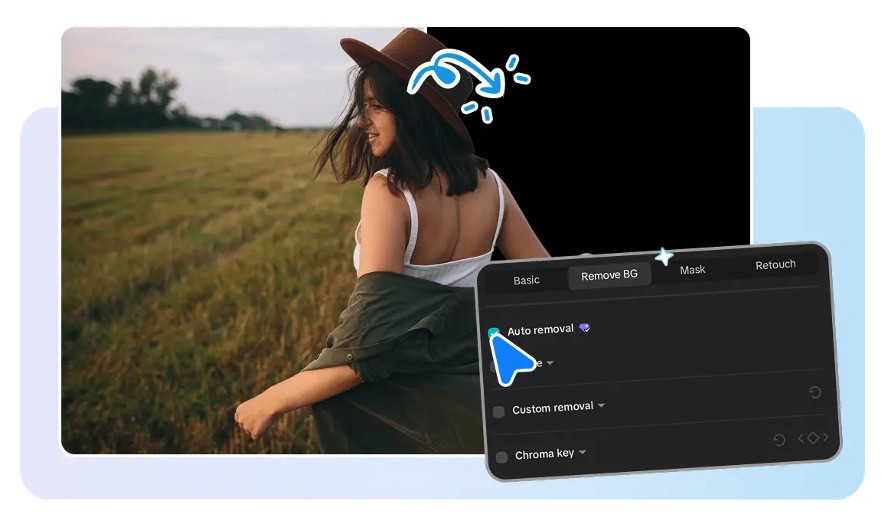
The rise of generative intelligence in the audiovisual sector addresses a critical pain point in the modern economy: the insatiable demand for high-quality content. Platforms like TikTok, YouTube, and Instagram reward consistency, but for most creators and small businesses, producing a professional-grade video every day is physically and financially impossible. Artificial intelligence bridges this gap by acting as a collaborative partner. It can take a simple text prompt, a script, or a collection of static images and transform them into a dynamic visual narrative. By analyzing vast datasets of cinematography, lighting, and pacing, these systems can suggest the perfect transitions, apply cinematic color grading, and even generate life-like voiceovers, effectively turning a single person into a full-scale production studio.
One of the most significant impacts of this technology is the democratization of professional marketing. In the past, high-converting "hero" videos—the kind used for major product launches or brand stories—required a five or six-figure budget. This created a barrier that kept smaller entrepreneurs from competing on a level playing field. Today, that barrier has effectively crumbled. A startup founder can now generate a high-definition explainer video or a social media ad campaign that carries the same visual polish as a Fortune 500 company. This shift allows the focus to return to what truly matters: the strength of the idea and the authenticity of the message, rather than the size of the production budget.
Furthermore, the educational and corporate sectors are undergoing a massive transformation. Training manuals and dry, text-heavy presentations are being replaced by engaging, animated video content. AI allows educators to create immersive learning experiences that cater to visual and auditory learners alike. In a corporate setting, human resources and internal communications teams are using these tools to deliver messages that actually get watched and remembered. The ability to localize content instantly—changing languages, accents, and visual cultural cues with a few clicks—means that a global organization can communicate with its workforce in a way that feels personal and direct, regardless of geographical boundaries.
Beyond efficiency and cost, the creative possibilities are expanding. We are seeing the birth of "hybrid creativity," where the AI handles the complex physics of rendering, motion tracking, and synchronization, while the human creator focuses on the emotional core and narrative arc. This allows for more experimentation. When the cost of producing a video drops significantly, creators are more willing to take risks, try avant-garde visual styles, and iterate on their ideas. If a particular visual direction doesn't resonate with the audience, it can be adjusted and re-rendered in minutes, rather than days. This "fail-fast" environment is fostering a new era of digital art and commercial storytelling that is more diverse and vibrant than ever before.
As we look toward the future, the integration of these tools will only become more seamless. We are moving toward a reality where video becomes as easy to edit as a text document. Real-time rendering and interactive video environments are on the horizon, where the viewer may even be able to influence the direction of the content they are watching. For creators, the challenge will no longer be "how" to make a video, but "what" to make. The technical friction that once stood between a brilliant idea and a finished masterpiece is dissolving, leaving behind a pure canvas for expression.
However, with this power comes a new set of skills that creators must master. Understanding how to prompt these systems, how to curate the output, and how to maintain a human-centric "soul" in a machine-assisted project is the new frontier of digital literacy. The most successful creators of the coming decade will be those who view intelligence not as a replacement for talent, but as a powerful amplifier. They will be the ones who use these tools to tell stories that were previously too complex, too expensive, or too time-consuming to bring to life.
Ultimately, the goal of any visual medium is to move the viewer, to spark an emotion, or to drive an action. Whether you are a filmmaker trying to win an award, a teacher trying to inspire a class, or a brand trying to sell a product, the tools you choose will define the impact of your voice. In this crowded and noisy digital world, staying ahead of the curve means embracing the future of automation and intelligence. To ensure your message is heard and to produce professional results at scale, the most powerful ally you can have is a cutting-edge video maker.