
Comments
420 FILE - California’s cannabis market is unlike any other. It’s an extremely large and mature market, heavily regulated, and relentlessly competitive. Pre-rolls sit at the center of that ecosystem. They are a top-selling category across dispensaries from Los Angeles to the Bay Area, and they are often the product that introduces a consumer to your brand.
If you are producing pre-rolls in California, you already know that manual processes struggle to keep up. Labor is expensive. Compliance is strict. Retail buyers expect consistency at scale. That combination is why automated pre-roll machines have become a cornerstone of modern cannabis manufacturing in the state.
This guide breaks down what automated pre-roll machines are, why California producers invest in them, what affects how well they perform, how much they cost, when automation makes sense, and how to choose the right system for your operation.
What is an Automated Pre-Roll Machine?
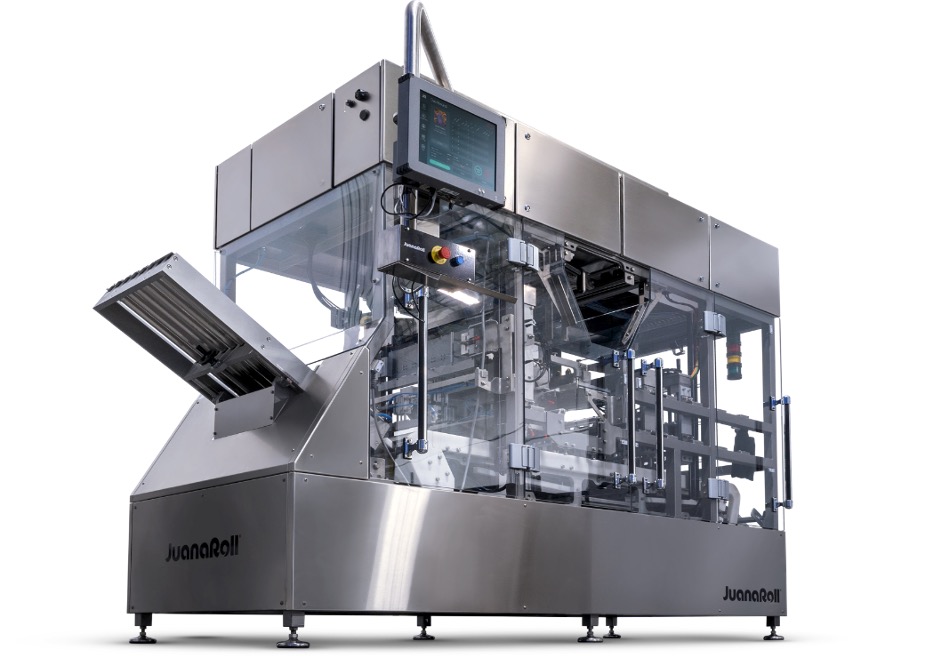
An automated pre-roll machine is a production system designed to fill and finish cannabis pre-rolls with minimal human input. These machines control key steps like dosing, packing, tamping, and finishing, allowing you to manufacture large volumes of pre-rolls with repeatable results.
In California, where brands often manage dozens of SKUs and supply hundreds of retail doors, automation is critical infrastructure – not novelty. Fully automated systems can produce thousands of pre-rolls per hour with one operator, while maintaining consistent weights and burn quality.
Automation does not eliminate people from the process. Instead, it shifts labor away from repetitive hand-rolling and toward oversight, quality assurance, and compliance documentation, all of which matter deeply in California’s regulatory environment.
Why California Producers Invest in Automated Pre-Roll Machines
Pre-roll demand in California remains strong across flower-only, infused, and premium formats. Consumers expect uniform joints that burn evenly and feel the same every time. Retail buyers expect brands to deliver at scale without quality slipping.
Consistency is one of the biggest reasons producers automate. Automated machines reduce weight variance and help standardize density, which improves burn performance and reduces consumer complaints.
Labor efficiency is another major driver. California’s labor costs are among the highest in the country. Automated systems allow producers to increase output without adding large teams or relying on constant training cycles.
Speed and reliability also matter. When a large retail chain places an order or a seasonal spike hits, automated systems let you respond quickly. In a market as crowded as California, that responsiveness can protect your shelf space.
Factors That Influence How Well Automated Pre-Roll Machines Work
Automation is not magic. The performance of your pre-roll machine setup depends on several variables you need to understand before you invest.
Flower Preparation and Moisture Control
Automated machines perform best with consistent input. Uneven grinds, overly dry flower, or inconsistent moisture levels can reduce fill accuracy and increase rejects. California producers who standardize upstream processes see better results from automation.
SKU Variety and Infused Products
California consumers love variety. Infused pre-rolls, multiple sizes, and limited drops are common. Some automated machines handle this complexity better than others.
Systems that can support cones, straight rolls, and infused SKUs without extensive downtime offer a real advantage in California’s fast-moving market.
Operator Training and SOP Discipline
Even the most advanced system needs a trained operator. Clear SOPs, proper onboarding, and consistent shift practices reduce downtime and protect output quality.
In California, where compliance audits are common, disciplined operations matter as much as raw speed.
Maintenance and Technical Support
Downtime is expensive. Access to responsive support, replacement parts, and preventative maintenance plays a major role in long-term performance. Producers often underestimate this factor when comparing machines on paper.
Cost of Automated Pre-Roll Machines in California
Automated pre-roll machines range widely in price. Lower-capacity automated systems may start in the low six figures, while enterprise-grade platforms designed for multi-shift production can climb significantly higher.
For California producers, the return on investment often comes from labor savings, reduced waste, and higher throughput. Many operators find that once they replace multiple manual roles with a single automated line, payback periods shorten dramatically.
Some manufacturers also offer alternative pricing models tied to production volume, which can appeal to producers managing cash flow in a high-cost state.
When Does Automation Make Sense for California Producers?
There is no single threshold, but common patterns emerge.
If you are producing tens of thousands of pre-rolls per month, manual methods usually become a bottleneck. If labor scheduling, quality drift, or compliance documentation are becoming pain points, automation can stabilize operations.
Automation also makes sense if you plan to expand distribution statewide or launch premium and infused SKUs at scale. Building scalable infrastructure early can prevent disruptive transitions later.
In California, many producers invest not just to grow, but to survive. Automation helps protect margins in a market where competition is fierce.
Notable Automated Pre-Roll Machines on the Market
Several automated systems are commonly evaluated by California producers today. Here’s a bit about each:
Hefestus AuraX
The AuraX from Hefestus is often viewed as a top-tier option for high-volume operations. It is designed to handle cones, straight rolls, blunts, and infused pre-rolls on a single platform. With output exceeding 2,000 pre-rolls per hour using one operator, it is built for California producers supplying large retail networks or running multiple brands. Its modular design and focus on consistency make it especially attractive in compliance-heavy environments.
RollPros Blackbird
RollPros systems are frequently used by producers focused on straight-roll joints. They are known for precision and repeatability, though they are more specialized in format. For California brands centered on classic straight roll SKUs, these machines can be a fit.
APEHEX
Apehex offers automated pre-roll machines aimed at cone production with a simpler operational profile. These systems are often used by producers who want automation without extensive configuration and who maintain a narrower product mix.
Pre-Roll-Er 200
Pre Roll Er machines are commonly found in high-throughput facilities running multiple shifts. They support cones and straight rolls and are built for durability, which appeals to California producers prioritizing uptime.
How to Choose the Right Automated Pre-Roll Machine
Choosing the right system starts with understanding your operation, not chasing the biggest machine available.
Clarify Your Production Goals
Know your current monthly output and where you expect it to be in the next one to three years. California markets reward scalability, but overbuying can strain capital.
Prioritize Flexibility
SKU diversity is a reality in California. Machines that support infused products and multiple formats give you room to adapt as trends change.
Evaluate Support and Partnership
Support matters more than most producers expect. Manufacturers that offer training, onboarding, and long-term technical support reduce risk during scale-up.
This is one reason companies like Hefestus are often evaluated favorably by larger California operators, especially those planning sustained growth rather than short-term output boosts.
Think in Systems, Not Just Machines
Automation works best when it fits into a complete workflow. Consider upstream grinding, downstream packaging, facility layout, and compliance processes before making a decision.
Final Thoughts
Automated pre-roll machines have become essential infrastructure for California cannabis producers. As the market continues to mature, efficiency, consistency, and scalability separate brands that thrive from those that struggle.
If manual production is slowing you down or stressing your team, automation is worth serious consideration. With the right system, you can improve quality, control costs, and position your operation to compete in one of the most demanding cannabis markets in the world.
The key is choosing wisely, investing at the right time, and building processes that let automation deliver on its promise.
###