
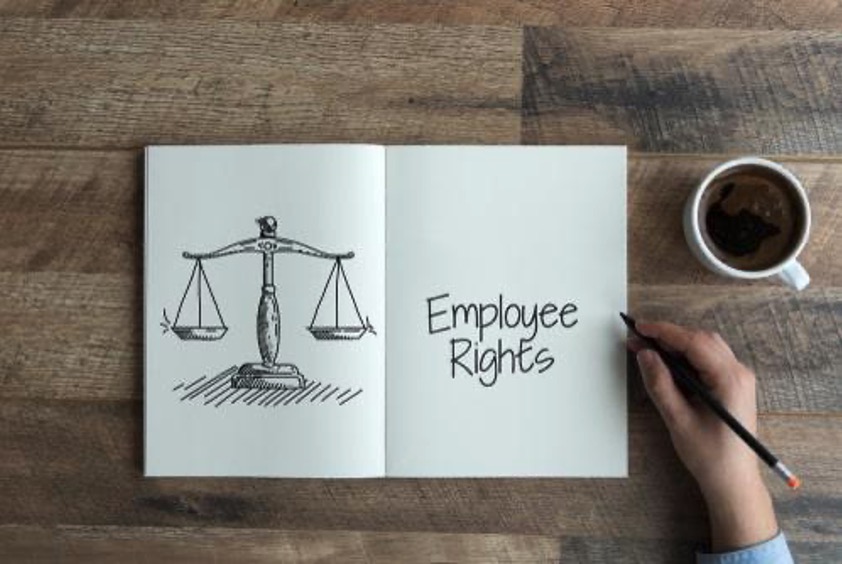
EMPLOYEE RIGHTS - Los Angeles is a city powered by ambition, diversity, and one of the largest workforces in the country, spanning entertainment, healthcare, logistics, tech, and everything in between. With so many industries operating at full speed, workplace disputes can arise just as quickly—especially when employee rights are put at risk. For workers facing serious violations, the path forward often feels uncertain, marked by financial stress and unanswered questions about accountability.
That’s where understanding how legal teams negotiate settlements in serious employee rights violations becomes essential. These negotiations aren’t just about compensation; they’re about restoring fairness, protecting dignity, and helping people move forward with confidence. Skilled advocates analyze every detail, weigh risks, and pursue outcomes that reflect the true impact of what employees have endured. Working with experienced employment legal counsel in Los Angeles can provide clarity during a difficult time and help you pursue a meaningful resolution when your rights have been compromised.
Assessing the Situation Thoroughly
The first step for legal teams is to gather and assess all the information about the allegations. To understand the facts, they collect documents, witness accounts, and relevant company policies. The next step is an initial assessment to ascertain how serious the claims are and the impact they may have on the organization. This creates a foundation for any negotiation to follow.
Identifying Core Issues and Interests
Lawyers seek to identify the key questions implicated in each case. They classify high-priority and more or less serious complaints. The interests of each party are also carefully assessed by legal teams. Since needs are at the very heart of negotiation, recognizing them can allow for negotiations to transcend from positional bargaining to solutions that satisfy real needs.
Evaluating Legal and Financial Risks
Lawyers weigh the odds of winning a trial and the potential exposure at trial. They will also look at other cases with similar facts to guess potential outcomes. This analysis allows for both sides to better appreciate the risks and rewards of settling compared to litigating.
Preparing for Productive Negotiations
As in every negotiation, preparation is key. Legal teams compile all corroborative data and establish assertions that will best reflect their client’s interests. If the case goes to trial, they anticipate the questions that will come your way and prepare you for them accordingly. They leverage strengths to negotiate better or increase the chances of landing a favorable outcome in court.
Striving for a Solution Suitable for Both Sides
Negotiations usually have a few rounds, and both parties communicate their goals, expectations, priorities, and worries. Legal teams endeavor to keep the tone professional and solution-focused, not blame-focused. They seek areas of agreement and solutions that work for both sides.
Addressing Confidentiality and Reputation
Settlements often include provisions regarding confidentiality. Maintaining the confidentiality of both sides can be a common reason for a settlement. The role of lawyers is to keep sensitive data protected and public statements from doing damage. Treating information responsibly fosters trust in the process.
Finalizing Settlement Agreements
When both sides agree on the settlement terms, lawyers prepare a settlement document that describes all the terms. This could include monetary payments, changes to workplace policies, and other remedial actions. The language is then scanned by legal teams to ensure nothing leads to ambiguity later on. The agreement is then reviewed and signed by both parties to formalize the settlement agreement, making it legally binding.
Ensuring Follow-Through and Compliance
Once a settlement is finalized, the parties have a legal team in place to monitor if each term they agreed to is being followed. They ensure payments are made promptly and that any adjustments are implemented. Whenever issues come up, attorneys get them resolved immediately so there is no more controversy.
Ensure a Change in the Workplace That Lasts
When lawyers negotiate settlements in major employee rights violations, they often get companies to change their practices for the better. Legal teams might suggest changes in policies and procedures to avert a recurrence of similar events. Lawyers also emphasize continuous education and training to develop a culture of respect and fairness. Focusing on these root causes will help reduce the risk of recurrences by companies.
Conclusion
Serious preparation, clarity of communication, and an emphasis on reasoned outcomes can lead to fruitful negotiations. Both employers and employees are guided through the process by legal professionals, working towards a solution that can work for everyone. If organizations understand this process better, they will be able to navigate tricky situations more successfully and foster workplaces that are safer and more respectful for everyone.
###